Grower’s Corner
How to Growing Turiya (Ridge Gourd) from Seed
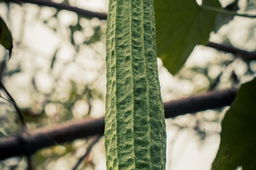
Turiya (Luffa acutangula), also known as ridge gourd, is a warm-season climbing vine grown for its tender green fruits. It’s widely used in Indian home cooking and thrives in heat when given space and support.
If you’re growing from seed, start with the quick-start section below.
🌱 Quick Start: Growing Turiya from Seed
- When to sow: After all danger of frost; soil consistently ≥ 70°F
- Seed prep: Optional soak 12–24 hours to speed germination
- Planting depth: ½–1 inch
- Spacing: 12–18 inches between plants
- Sun: Full sun (6–8+ hours)
- Support: Strong trellis, net, or fence required
- Water: Keep soil evenly moist; do not let dry out
- Time to harvest: 50–70 days from sowing
- Harvest tip: Pick fruits young (6–10″) for best texture
This is enough to grow a successful plant. Read on if you want more detail or troubleshooting.
What Is Turiya?
Turiya (ridge gourd) is a fast-growing annual vine in the cucumber family. The plant produces long, ribbed fruits that are harvested young and cooked as a vegetable. Left to fully mature, the fruits become fibrous and inedible.
The plant is native to South and Southeast Asia and has been grown for generations in warm climates with long summers.
Why Grow Ridge Gourd?
People grow turiya for several reasons:
- Culinary versatility: Mild flavor that absorbs spices well
- High productivity: One plant can produce many fruits
- Heat tolerance: Thrives when other vegetables struggle
- Vertical growth: Excellent for trellises and small yards
It’s especially appealing to gardeners interested in Indian vegetables or expanding beyond common squash and zucchini.
Is Turiya Right for Your Garden?
Turiya is a good fit if you have:
- Warm summer temperatures
- Space for a climbing vine
- Willingness to install support early
It may not be ideal if:
- Your summers are short or cool
- You can’t provide a trellis
- You prefer compact plants
Germination & Early Growth
Seeds typically sprout in 7–14 days in warm soil. Cooler conditions can delay or prevent germination.
Tips:
- Start seeds directly in the ground once soil warms
- Or start indoors and transplant carefully (roots dislike disturbance)
- Protect young seedlings from cold nights
Trellising and Space Requirements
Turiya vines grow long and vigorous. Without support, they will sprawl aggressively.
Good support options:
- Vertical netting
- A fence or railing
- A sturdy trellis or arch
Training the vine upward improves airflow, makes harvesting easier, and produces straighter fruit.
Flowering and Fruit Set
Turiya produces separate male and female flowers on the same plant.
Common issues:
- Lots of flowers but no fruit → usually early male flowers or lack of pollination
- Hand-pollination can help in low-pollinator areas
Once pollinated, fruits grow quickly and should be harvested regularly.
Harvesting Turiya
Harvest when fruits are:
- Green
- Firm
- Before seeds harden
Overmature fruits become tough and fibrous. Frequent harvesting encourages continued production.
How Turiya Is Typically Used
Turiya is most often cooked rather than eaten raw. It’s commonly:
- Sautéed with spices
- Added to simple vegetable curries
- Paired with lentils or onions
Its mild flavor makes it adaptable to many cuisines beyond Indian cooking.
Growing Summary
- Season: Warm season
- Sun: Full sun
- Water: Regular, consistent
- Support: Required
- Difficulty: Moderate
- Yield: High with proper care
Next Steps
- New to growing this plant? You’re in the right place.
- If you’re starting from seed, you can find turiya seeds here
- For specific problems (no fruit, poor growth), see our troubleshooting guides.

About the author
Steve Thomas-Patelis a California home gardener who grows Indian kitchen crops for his family in a backyard test garden. He writes about his gardening experiments at MySoCalGarden and for Masala Central's Grower's Corner.