Grower’s Corner
Green Leaf Tulsi: Seed Starting Guide for a Living Tradition
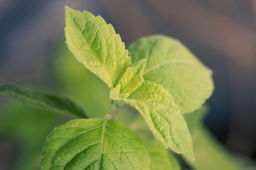
Tulsi isn’t just another herb in the garden. It carries presence, memory, and care that many of us grew up around. In countless homes it lives near an entrance or courtyard, part of a daily rhythm that blends gardening with intention. Growing green leaf tulsi from seed follows that same spirit. It asks for patience, warmth, and respect for the process.
Starting Green Leaf Tulsi from Seed
Green leaf tulsi, often called Rama or Sri Tulsi, is known for bright green foliage, a gentle aroma, and a balanced flavor. Compared to darker Krishna types, green leaf tulsi feels vibrant and upright in the garden and is forgiving for beginners when started with warmth and steady light.
When to Start
Tulsi thrives in heat. Sow seeds once nights are consistently warm, or start them indoors about six to eight weeks before true summer conditions arrive. In Southern California style climates, early spring indoor starts transition well outdoors once temperatures stabilize.
Sowing the Seeds
Tulsi seeds are tiny and benefit from a light touch.
- Use a fine seed starting mix and moisten it before sowing.
- Scatter seeds on the surface instead of burying them deeply.
- Press gently so the seeds make contact with the soil.
- Mist lightly rather than watering heavily to avoid disturbing them.
Tulsi appreciates light during germination, so keep the soil surface exposed.
Warmth and Germination
Place trays somewhere consistently warm, around 70 to 80°F. A heat mat can help, but a bright indoor window often works. Seeds usually sprout within five to ten days when warmth remains steady.
Light and Early Growth
Once seedlings appear, provide strong light. Tulsi grows best when it feels the sun. Weak light leads to thin stems and slow development.
Thin seedlings so each plant has space to branch. Tulsi responds well to gentle adjustments as it grows.
Watering and Feeding
Keep soil lightly moist but never soggy. Tulsi prefers balance, not dryness and not constant wetness. Early on, a diluted seaweed extract or very gentle organic feed is enough to support steady growth.
Pinching and Shape
When plants reach six to eight inches tall, pinch the growing tips to encourage bushier growth. Unlike Italian basil, tulsi does not require aggressive anti bolting management. Flowering is part of its natural rhythm, and many growers allow it without concern.
Growing with Intention
Many gardeners give tulsi a dedicated place such as a sunny patio, near a doorway, or in a container that can move with the seasons. Whether grown for tea, cooking, or daily rituals, green leaf tulsi rewards consistency more than perfection.
Start small. Give it warmth, light, and patience. Over time the plant begins to shape the space around it, just as it has done in gardens and homes for generations.

About the author
Steve Thomas-Patelis a California home gardener who grows Indian kitchen crops for his family in a backyard test garden. He writes about his gardening experiments at MySoCalGarden and for Masala Central's Grower's Corner.