Grower’s Corner
Growing Kitchen Herbs from Seed
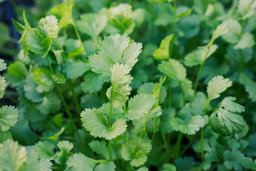
Tulsi, dhaniya, and methi sit at the heart of many Indian Kitchen Gardens, but herbs like oregano, thyme, basil, chives, kalonji and fennel earn their place because they support the way many people actually cook today. Diaspora kitchens move easily between cuisines. A handful of cilantro finishes dal one day and roasted vegetables the next. Basil shows up beside tomatoes. Fennel dries for tea or digestion. These herbs may be common in Western cooking, but they fit naturally into an Indian kitchen garden because they solve everyday cooking needs.
This guide walks through how to start these core herbs from seed, what to expect during early growth, and how each one fits into a practical home garden.
Starting from Seed
Some kitchen herbs are amongst the simplest, most straightforward plants to grow from seed. Use a light, well-draining seed starting mix. Herbs do not need heavy soil or deep containers at the beginning. Shallow trays or small pots are enough while roots establish.
Plant seeds close to the surface. Tiny seeds such as thyme, oregano, and basil should barely be covered. Medium seeds like cilantro, dill, and fenugreek go just under the soil. Fennel can sit slightly deeper but still does not need much coverage.
Water lightly and consistently. Aim for moisture, not wet soil. Too much water slows growth more than too little.
Place trays in bright indirect light or gentle morning sun. Strong afternoon heat dries seedlings quickly before they can establish.
When to sow
Cool weather herbs
Cilantro, dill, fenugreek, and chives grow best when temperatures stay mild. They germinate quickly and are ideal for early spring or fall planting.
Warm weather herbs
Holy basil, Italian basil, oregano, and thyme prefer warmer nights. If the weather is still cold, they tend to wait before growing steadily.
Fennel bridges the seasons and adapts easily as long as it has space and light.
Instead of focusing on calendar dates, watch the temperature. Herbs respond to warmth and light more than anything else.
What to expect as seedlings grow
Growth rates vary widely between herbs.
Fenugreek sprouts fast and can be harvested young. Cilantro starts delicate but fills out once roots settle. Dill grows tall and feathery. Thyme and oregano stay compact for weeks before branching outward.
Do not compare one herb to another. Slow early growth is normal for many perennial herbs.
Herb profiles for the Indian kitchen garden
Dhaniya, Cilantro Slow Bolt
Cilantro is essential for chutneys, garnishes, and finishing dishes. It prefers cooler weather and grows quickly from direct sowing. Harvest often to keep plants productive.
Suva, Dill, Dukat
Dill brings a soft, aromatic flavor that works in sabzi, yogurt dishes, and pickles. Sow shallowly and give plants space to grow tall.
Methi, Fenugreek
Fenugreek is one of the fastest herbs to grow. It can be harvested young for greens or allowed to mature for seed. Perfect for beginners.
Holy Basil, Green Leaf
Tulsi grows best once the weather warms. Early growth may look slow, but plants become vigorous in steady heat. Leaves are used for tea, ritual, and everyday wellness.
Basil, Italian Large Leaf
Italian basil bridges cuisines easily. It thrives in warm conditions and benefits from regular harvesting to encourage branching.
Oregano, Common Italian
Oregano prefers sun and lighter watering. Once established it becomes a reliable perennial style herb that pairs well with roasted vegetables and tomato based dishes.
Thyme, Common
Thyme grows slowly at first but rewards patience. It likes excellent drainage and bright light. Use sparingly in cooking where depth of flavor matters.
Chives
Chives offer a gentle onion flavor and are one of the easiest herbs to grow. They tolerate cooler weather and regrow quickly after cutting.
Saunf, Fennel, Sweet
Fennel connects directly to Indian cooking through seeds and digestive use. Give plants room to grow and avoid crowding. Some herbs such as fennel and kalonji are often grown for their seeds rather than their leaves, but they still begin the same way: shallow sowing, light soil, and steady moisture.
Kalonji, Nigella
Kalonji is grown for its small black seeds used in tempering, naan, and pickles. It prefers cooler weather and is best direct sown rather than transplanted. Plants are delicate early but establish quickly in mild conditions. Allow pods to dry fully before harvesting seed.
Building a working herb bed
With only a couple of exceptions, herbs are wonderful companions to eachother in the Indian kitchen garden. Tulsi may grow beside oregano because both are used regularly. Cilantro and basil often share space because they are harvested frequently. A small combination such as tulsi, dhaniya, suva, and chives creates a flexible foundation for everyday cooking.
The goal is not to grow every herb perfectly. The goal is to make stepping outside for fresh flavor part of the routine.
Common beginner mistakes
Planting seeds too deep slows germination. Keep most herb seeds near the surface.
Overwatering is another common issue. Herbs like steady moisture but need air around their roots.
Finally, patience matters. Some herbs appear small for weeks before filling out. That slow start is part of their natural rhythm.
Closing thoughts
Growing herbs from seed is one of the simplest ways to bring the kitchen into the garden. A small tray can become months of flavor, whether you are finishing dal with fresh cilantro, brewing tulsi tea, or adding fennel to a daily digestive blend.
Start with the herbs you reach for most often. Sow lightly, give them warmth and light, and let the garden grow into something that reflects how you actually cook.

About the author
Steve Thomas-Patelis a California home gardener who grows Indian kitchen crops for his family in a backyard test garden. He writes about his gardening experiments at MySoCalGarden and for Masala Central's Grower's Corner.