Grower’s Corner
Indian Eggplant (Ringan | Baingan) Seed Starters and Growers’ Guide
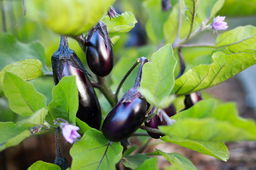
Eggplant holds a special place in Indian cooking. From smoky baingan bharta to stuffed ringan, different shapes and sizes bring different textures to the kitchen. In the garden, however, most eggplants begin the same way. Strong seedlings and warm soil make the difference between a struggling plant and one that produces heavily all season.
This guide focuses first on getting from seed to healthy plant, with context on how different types of eggplant are used in Indian cooking so you understand what you are growing and why.
Seed Starting Ringan (Eggplant)
Eggplant seeds benefit from warmth and patience. Start seeds indoors about 8 to 10 weeks before your last frost. Sow seeds about 1/4 inch deep in a light seed starting mix and keep the soil warm. Germination is much more reliable when soil temperatures stay close to 75°F to 85°F.
Keep soil evenly moist but never soggy. Once seedlings emerge, provide strong light immediately. Eggplant seedlings stretch easily if light is weak. Gentle airflow helps build stronger stems. When plants develop several true leaves, begin light feeding and prepare for gradual hardening off.
Transplant only when nights stay warm and soil has fully warmed. Cold soil slows eggplant growth dramatically and plants may sit without growing for weeks.
Understanding Eggplant Types in the Indian Kitchen
Eggplant is not just one vegetable. Different forms of ringan or baingan are chosen for specific dishes. Thinking about how you cook helps you decide what to grow.
• Globe Types | large fruits for roasting, grilling, and bharta
• Long or Finger Types | tender fruits for quick sabzi and stir-frying
• Round Indian Types | small fruits ideal for stuffing or whole-cooked dishes
Globe Eggplant
Solanum melongena • Globe type
Large globe eggplants produce thick flesh that holds up well to roasting and grilling.
How they grow:
Plants are sturdy and upright with fewer but larger fruits. They appreciate consistent warmth and benefit from regular harvesting once production begins.
How they’re used:
• Roasted for baingan bharta
• Grilled slices
• Rich masala-based dishes that call for larger cuts of eggplant
Long or Finger Eggplant
Solanum melongena • Long type
Slender eggplants grow quickly and produce heavily. Their thinner skins and tender flesh make them well suited for everyday cooking.
How they grow:
Plants tend to set many fruits at once. Regular picking encourages continuous production.
How they’re used:
• Quick sabzi
• Stir-fried dishes
• Lightly sautéed preparations where smaller pieces cook quickly
Round Indian Eggplant
Solanum melongena • Round type
Small round eggplants are a staple across many Indian regional cuisines. Their size makes them ideal for cooking whole.
How they grow:
Plants branch freely and may carry clusters of small fruits. Warm soil and steady feeding support consistent yields.
How they’re used:
• Stuffed ringan or baingan
• Whole-cooked dishes with masala filling
• Traditional regional preparations that rely on smaller fruits
Growing On After Transplant
Eggplants thrive in full sun and warm soil. Space plants about 18 to 24 inches apart so air can move freely between them. Rich, well-drained soil supports strong growth, but warmth is just as important as fertility.
Mulch helps keep soil temperatures steady and reduces moisture swings. Regular harvesting encourages new flowers and keeps plants producing longer.
Choosing the Right Eggplant for Your Garden
Think first about what shows up most often in your kitchen.
For roasting and smoky dishes → Globe types
For everyday sautéing and quick cooking → Long or finger types
For stuffed or whole-cooked dishes → Round Indian types
Grow what you cook, and let the garden reflect the dishes that matter most at your table.

About the author
Steve Thomas-Patelis a California home gardener who grows Indian kitchen crops for his family in a backyard test garden. He writes about his gardening experiments at MySoCalGarden and for Masala Central's Grower's Corner.