Grower’s Corner
Seed Starting Indian Mirchi (Chilies): A Practical Guide
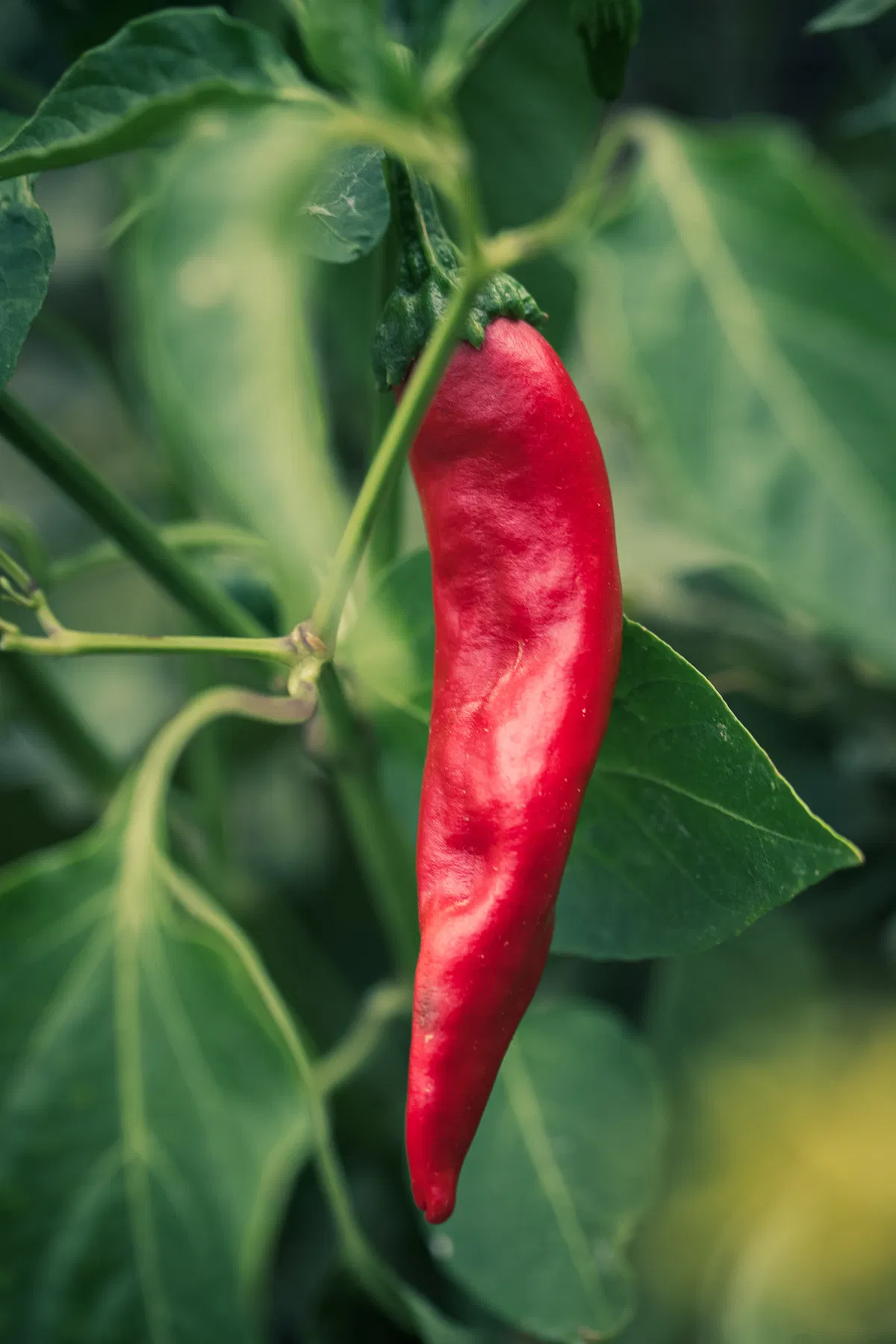
Indian cooking uses a remarkable range of chilies, from tiny, fiery bird’s-eye types to long, dried peppers ground into powder. Rather than overwhelming growers with dozens of cultivar names, I’d like to focus on a few essential chili types. Each represents a different role in the kitchen and a different growing habit in the garden.
This guide starts with the goal of getting you from seed to a strong, healthy plant. Cultural context and chili types are included to help you understand what you are growing and why it matters in the kitchen.
Seed Starting Indian Mirchi (Chilies)
Most Indian chilies follow similar early growth patterns. The goal is strong, warm seedlings that can handle transplanting without stalling.
Start seeds indoors 6 to 10 weeks before your last frost. Use a light seed starting mix and sow seeds about 1/4 inch deep. Warmth matters more than anything else during germination. Aim for soil temperatures close to 70°F or warmer. A heat mat can help if your space runs cool.
Keep soil evenly moist but not wet. Once seedlings emerge, provide strong light immediately to prevent weak, stretched growth. Gentle airflow helps strengthen stems. When plants develop several true leaves, begin light feeding and prepare for gradual hardening off before transplanting outdoors.
Transplant only when nighttime temperatures stay consistently warm and soil has warmed. Cold soil can stall peppers for weeks.
Understanding Chili Types
Many Indian chilies are regional landraces rather than single fixed varieties. Names like Guntur or Kanthari often describe a style of pepper associated with a place, flavor profile, or cooking tradition. Think of these as kitchen archetypes rather than strict botanical categories.
The easiest way to understand them is by how they are used:
• Bird’s Eye Types: small, upright, intensely hot
• Guntur or Drying Types: slender red chilies for powder and tadka
• Color Chilies: deep red but milder, valued for color as much as heat
• Long Green Frying Chilies: everyday fresh cooking peppers
Bird’s Eye Chilies (Kanthari Mirchi)
Capsicum frutescens • Bird’s Eye type
These tiny upright peppers bring clean, bright heat. In Kerala and along the coastal South, kanthari shows up everywhere. It appears in chutneys, pickles, and fresh tempering.
How they grow:
Bird’s eye plants are bushy and highly productive, often holding fruit upright. They prefer steady warmth and a long growing season.
How they’re used:
• Fresh in coconut chutneys and Kerala-style fish preparations
• Crushed into pickles
• Added whole to tadka for sharp heat
Green pods are commonly used fresh, while red or violet stages bring deeper flavor.
Guntur-Type Chilies
Capsicum annuum • Guntur type
Named after the Andhra Pradesh region famous for chili production, Guntur peppers are slender drying chilies prized for color and spice balance. These are the backbone of many Indian chili powders.
How they grow:
Plants are upright with longer pods that mature from green to bright red. They perform best in warm climates and reward consistent harvesting.
How they’re used:
• Dried and ground into chili powder
• Added to Andhra-style masalas and pickles
• Tempered in oil to release color and aroma
Compared to bird’s eye chilies, Guntur types deliver broader warmth rather than sharp intensity.
Color Chilies (Kashmiri or Byadgi Types)
Capsicum annuum • Color type
These chilies are valued for deep red color more than extreme heat. Understanding this category helps growers choose intentionally, even if you are not growing one yet.
How they’re used:
• Kashmiri gravies and rogan josh
• Color-rich masala bases
• Chili pastes used more for color than heat
Garden note:
They often appear longer and more wrinkled than Guntur types and tend to be milder.
Long Green Frying Chilies
Capsicum annuum • Frying type
These are everyday chilies in many Indian kitchens. Long green peppers are added to sabzi, pakora batter, and quick tempering.
How they’re used:
• Split and sautéed with vegetables
• Fried whole for snacks
• Added to dals for gentle heat
These plants typically grow taller with downward-hanging fruit.
Growing On After Transplant
Once established outdoors, Indian chilies thrive in full sun and well-drained soil. Space plants 18 to 24 inches apart for airflow and productivity. Warm soil encourages steady growth, while regular harvesting signals the plant to continue producing.
Green harvest delivers sharper heat. Fully red pods develop deeper flavor and are ideal for drying or grinding.
Choosing the Right Chili for Your Garden
If you are unsure where to start, think about how you cook:
For intense fresh heat → Bird’s Eye or Kanthari
For classic Indian chili powder → Guntur type
For vibrant red color with milder spice → Kashmiri style chilies
For everyday sautéing and frying → Long green chilies
Grow what you cook, and let the garden reflect the flavors you reach for most often.

About the author
Steve Thomas-Patelis a California home gardener who grows Indian kitchen crops for his family in a backyard test garden. He writes about his gardening experiments at MySoCalGarden and for Masala Central's Grower's Corner.