Grower’s Corner
The Truth About Growing from Seed
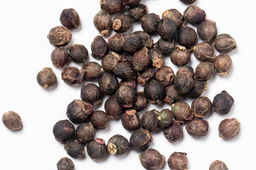
Perhaps you were taught the same simple story I was: that all plants start from a seed. The truth is far more interesting.
Even in nature, plants have countless ways of reproducing. Some grow the way we were taught, from seed. Others, like the curry leaf tree, also grow from seed, but only if the seed is kept fresh. And some, like betel (paan), produce only sterile seeds that will never sprout at all!
So how do these plants keep going?
Some send out runners, like strawberries or crabgrass. Others, such as tindora (ivy gourd), can regrow from nearly any fragment of vine that touches soil — one reason it’s such a rampant invasive in the tropics. Some reproduce by layering, when a branch rests on the ground long enough to take root, as with walking onions that seem to march across the garden over time, or blackberries that form massive bramble patches when left to their own devices.
Prickly pear cactus breaks off pads that hitch a ride on fur or fabric, dropping roots wherever they land. Ginger spreads underground through branching rhizomes, which can sprout anew if disturbed and replanted, a strategy we gardeners happily copy. Potatoes do much the same with their tubers.
Bamboo takes this to the extreme. It spreads aggressively through rhizomes and famously flowers only once every century or so: all at once, worldwide, since each grove is a clone of the same ancestral plant. When it finally blooms, it releases a rain of short-lived seeds, a single burst of sexual reproduction before the entire stand dies. The lucky few seeds that land just right start the hundred-year cycle again.
Banana offers another twist. Though we call it a “tree,” it’s really an herbaceous giant whose trunk is a bundle of tightly wrapped leaves, or a pseudostem, emerging from a rhizome. Each stem fruits once, then dies back as new shoots rise. Most cultivated bananas are sterile hybrids. They never make viable seed at all. Wild bananas do produce seeds, but their fruit is full of hard, marble-sized pits rather than sweet flesh.
These clever reproduction strategies appear worldwide but are especially common in tropical and subtropical regions, in places like India, where warmth, moisture, and rich soil make it easy for plants to regrow without waiting for seed.
Hybrids and the Mystery of “Unreliable” Seeds
Many of our favorite crops are hybrids, crosses between two varieties or species. While you can create reliable hybrid seeds from known parents, the children of those hybrids often produce sterile or unpredictable seeds. The next generation may yield plants that are weaker, bland, or wildly different: a mild chili from a famously hot parent, or a tasteless fruit from a once-sweet vine.
The steady climate of the tropics encourages these alternate reproductive strategies. With ample water and shade, plants can spread vegetatively rather than gamble on long-lasting seed. Their seeds, when produced, tend to be soft, short-lived, and eager to sprout quickly rather than survive a cold season. That’s why a curry leaf or pomegranate seed can germinate beautifully when fresh, yet lose viability after just a few weeks.
This is part of what makes true seed crops so rewarding to grow: the plants that want to be sown. Fast-sprouting greens like methi (fenugreek) or cilantro (dhaniya) are excellent examples: they’re annuals, designed by nature to germinate fast, thrive quickly, and start the cycle again within a season.
So are quick-growing roots like daikon radish (mooli), carrots, and beets, and warm-weather classics like okra (bhindi) and capsicum (sweet and hot peppers), all of which reliably grow from seed and are right at home in a California Indian kitchen garden.
Seeds You Probably Shouldn’t Buy
A few “seeds” you’ll find in catalogs simply don’t make sense for gardeners hoping for true, vigorous plants:
Potato: Rarely grown from seed. Gardeners plant small tubers (“seed potatoes”) for dependable results. True potato seed is for breeders chasing new varieties through years of trial and error.
Tarragon: True French Tarragon is sterile and propagated only by cuttings. Seeds sold as tarragon are actually Russian Tarragon (Artemisia dracunculus), a lookalike without the signature aroma or flavor.
Mint: Nearly all mints are hybrids. Seeds don’t come true and often produce bland or sterile plants. Mint spreads effortlessly by cuttings or division and often needs no encouragement at all.
Strawberries: The common garden strawberry is a hybrid; seed-grown plants rarely resemble the parent. Exceptions exist: Alpine strawberries grow well from seed and yield tiny but delicious fruit.
Lavender: Can be grown from seed, but hybrid lavenders (like lavandin) won’t come true. Named varieties are best propagated by cuttings.
Stevia: Seeds vary wildly in sweetness. Only cloned plants guarantee the consistent, pleasant flavor gardeners expect.
A Gardener’s Reality Check
So, as you browse our seed catalog, remember: if you don’t see seeds for one of your favorite plants, it’s not an oversight. It is simply nature reminding us that some things are meant to be shared, not sown.

About the author
Steve Thomas-Patelis a California home gardener who grows Indian kitchen crops for his family in a backyard test garden. He writes about his gardening experiments at MySoCalGarden and for Masala Central's Grower's Corner.