Grower’s Corner
The Many Uses of Neem Oil
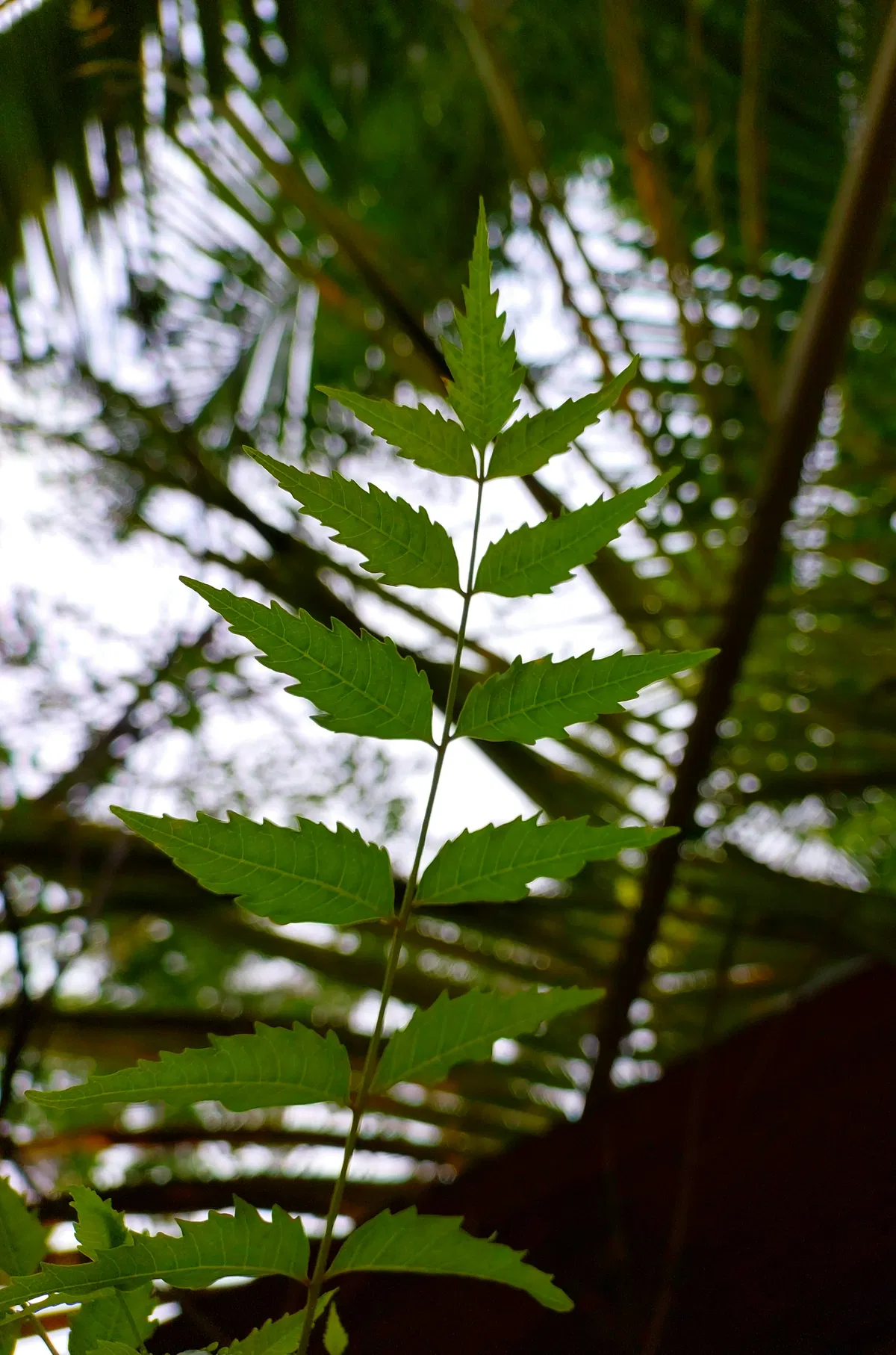
From sacred Indian tree to every gardener’s toolkit
If there’s one product that perfectly captures the bridge between ancient Indian wisdom and modern sustainable gardening, it’s neem oil. Extracted from the seeds of the Azadirachta indica tree — known across India as “the village pharmacy” — neem oil has been relied on for thousands of years to heal, protect, and restore balance.
In India, neem is not just a tree; it’s sacred. People plant it outside temples, line village roads with it, and use every part of it — from leaf to bark to seed — in medicine, skincare, and agriculture. The oil itself is earthy, pungent, and incredibly potent. And in the garden, it’s nothing short of a miracle worker.
Let’s dig into what makes this ancient oil so useful for today’s gardener.
🐛 1. Natural Pest Control — Without Harming Pollinators
Neem oil works differently from chemical insecticides. Instead of killing on contact, it disrupts the life cycle of pests — stopping them from feeding, mating, or laying eggs.
It’s especially effective against:
- Aphids
- Whiteflies
- Spider mites
- Mealybugs
- Leaf miners
- Squash bugs
- Caterpillars and soft-bodied insects
🌸 Safe for bees and butterflies: When used properly (spray early morning or evening, when pollinators aren’t active), neem oil won’t harm beneficial insects.
To make your own neem spray:
- 1–2 teaspoons of cold-pressed neem oil
- A few drops of mild liquid soap (as an emulsifier)
- 1 quart (1 liter) of warm water
Shake thoroughly and spray the leaves, especially undersides where pests hide. Reapply every 7–10 days or after rain.
💡 Pro tip: Always test on one or two leaves first; some delicate plants (like ferns or succulents) can be sensitive to oil sprays.
🍂 2. Natural Fungicide and Disease Prevention
Beyond pests, neem oil is a strong antifungal agent. It helps prevent or control:
- Powdery mildew
- Rust
- Black spot on roses
- Anthracnose
- Leaf spot diseases
Use it as a preventive spray — not just when you see a problem. A biweekly misting keeps fungal spores from taking hold, especially during damp, cool weather.
🌱 3. Soil Health and Root Protection
Neem oil doesn’t just protect leaves — it can improve the soil ecosystem itself. When used as a soil drench, it helps reduce root maggots, fungus gnats, and nematodes while promoting healthy microbial life.
To use as a soil drench:
Mix 1 teaspoon of neem oil and a few drops of soap into 1 quart of water. Pour directly onto the soil at the base of plants every 3–4 weeks.
Over time, this helps rebalance soils that have been stressed by overwatering, poor drainage, or chemical fertilizers.
🌿 4. Seed and Seedling Protection
If you start seeds indoors or in trays, neem oil is your early guardian. A diluted neem solution can help prevent “damping off,” the fungal disease that kills young sprouts before they establish roots.
You can also lightly mist soil or seed trays once seedlings have emerged to keep gnats and fungal growth away.
💧 5. Plant Shine & Leaf Maintenance
Neem oil doubles as a gentle leaf polish for broad-leafed plants like monstera, philodendron, or banana. It removes dust, deters pests, and leaves a healthy, subtle shine — all without the silicone residues that many “plant shine” sprays use.
🌾 6. Beyond the Garden — Neem’s Place in Everyday Life
For generations in India, neem has been used far beyond farming:
- In skincare: mixed into soaps and balms to fight acne or fungal irritation
- In haircare: blended into oils to reduce dandruff and nourish the scalp
- In home life: neem leaves are dried and stored in grains or clothes to repel insects naturally
This versatility is why neem is still honored as a sacred protector — a living example of balance between health, ecology, and tradition.
⚖️ 7. Practical Tips for Using Neem Oil
- Shake before each use. Oil and water separate quickly.
- Store properly. Pure neem oil solidifies below 70°F — just warm the bottle in your hands or a bowl of warm water to liquefy.
- Avoid midday spraying. Apply in low light to prevent leaf burn.
- Be consistent. Regular light use works better than occasional heavy spraying.
- Don’t mix with other oils or strong fertilizers unless you’ve tested compatibility.
🌸 8. A Sacred Gift, Still Serving
When you spray neem oil on your garden, you’re participating in something ancient — a lineage of care stretching from Indian villages to modern backyards. The same sacred tree that offered medicine and shade to generations now helps protect your basil, tomatoes, and kale.
It’s a quiet reminder that our best gardening tools are often our oldest ones — gifts from the natural world, carried forward by human hands and ancient knowledge.
So next time you reach for your spray bottle, take a moment to appreciate what’s inside. Neem oil isn’t just a garden fix — it’s heritage in a bottle.

About the author
Steve Thomas-Patelis a California home gardener who grows Indian kitchen crops for his family in a backyard test garden. He writes about his gardening experiments at MySoCalGarden and for Masala Central's Grower's Corner.