Grower’s Corner
Growing Summer Cucumbers and Gourds for the Indian Kitchen Garden
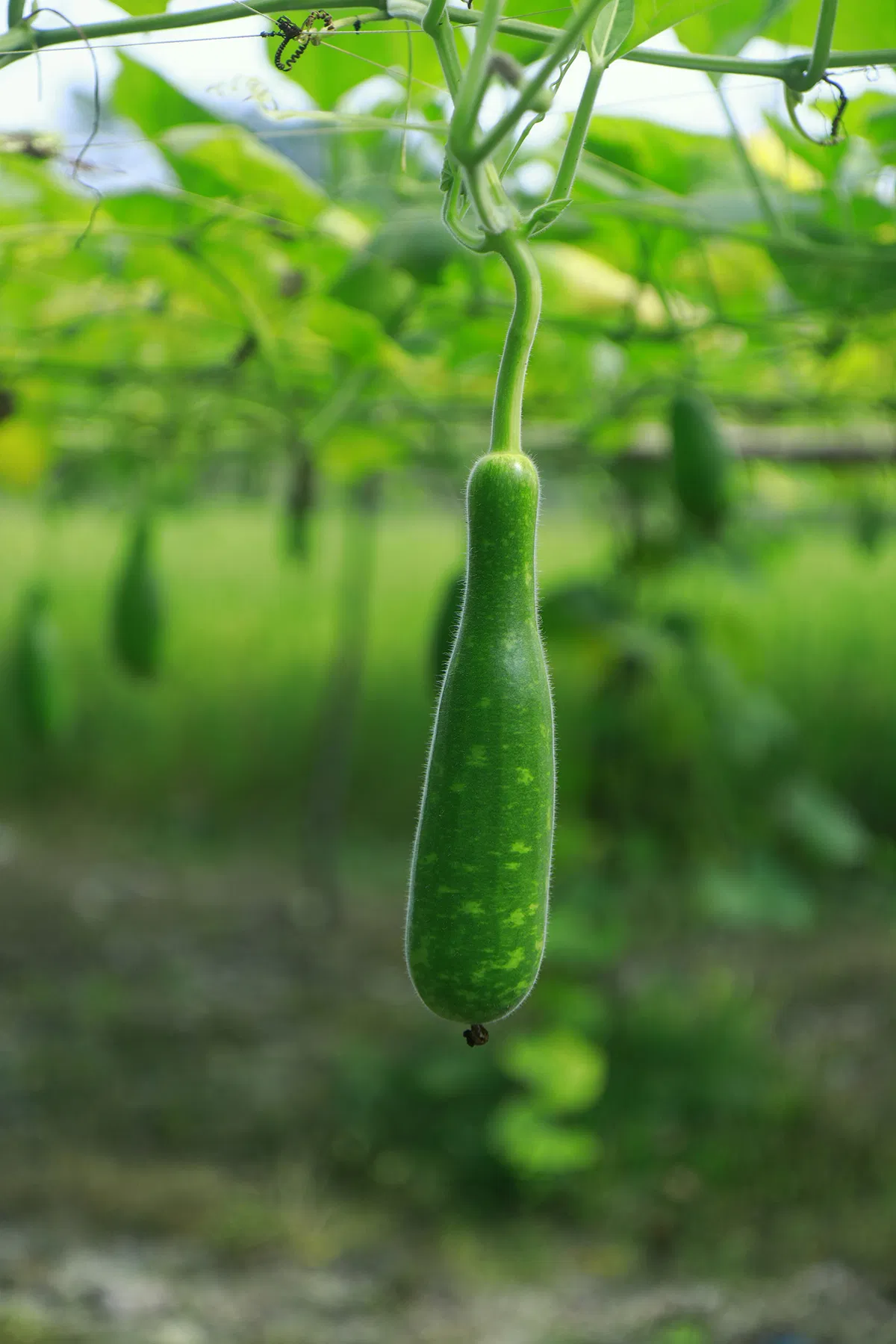
There are few things in a garden as satisfying as summer cucumbers and gourds.
Once they start producing, they do not stop. A healthy vine will give and give. You harvest in the morning and a few days later there is more ready. In my experience, these are some of the highest return crops you can grow. When they are happy, they feed you all season.
Cucumbers. Ridge gourd. Sponge gourd. Bitter melon. Bottle gourd.
If you cook from an Indian kitchen, these are not specialty vegetables. They are everyday vegetables. Cooling, adaptable, deeply tied to the hot season.
Start With Real Warmth
These plants want heat. Not mild weather. Not optimism. Heat.
If the soil is below 65°F, wait. Seeds planted into cold soil stall or rot. Seeds planted into warm soil rise quickly and grow with confidence.
When soil is truly warm, cucumbers often emerge in under a week. Ridge gourd and bottle gourd follow. Bitter melon can take longer, but warmth makes the difference.
Planting at the right time is the first decision that determines whether your season feels easy or frustrating.
Direct Sow When You Can
Cucumbers and gourds do not love root disturbance. If your season is long enough, plant them directly in the ground where they will grow.
Sow seeds about half an inch to one inch deep. Water thoroughly. Keep the soil evenly moist until seedlings appear.
Once they are up, ease off. Let the roots stretch downward in search of moisture. Deep roots build resilient vines.
If you need to start indoors, use individual pots and transplant while plants are still young. Do not allow them to become rootbound. A stressed transplant rarely catches up.
Prepare the Soil Properly
These vines grow fast and they draw heavily from the soil.
Before planting, work compost deeply into the bed. Not just a surface layer. Mix it down where roots will actually feed. Good soil preparation makes the difference between thin vines and thick, productive ones.
If leaves begin to pale once flowering starts, the soil was not rich enough to sustain the growth you are asking for.
Feed the soil first. The plant will take care of the rest.
Install Support Early
Ridge gourd, sponge gourd, and bottle gourd are not small plants. They can run ten to fifteen feet in a season.
Put your trellis in at planting time. Do not wait until vines are already spreading across the ground.
Growing vertically improves airflow, keeps fruit cleaner, reduces disease pressure, and makes harvesting simple. A strong arch, cattle panel, pergola, or heavy netting works well. These vines get heavy. Build accordingly.
Water Deeply and Consistently
Most problems with cucumbers trace back to watering.
Inconsistent moisture leads to bitterness. Shallow watering creates weak roots. Stressed plants drop flowers or produce poorly shaped fruit.
Water deeply. Soak the soil eight to twelve inches down. Mulch generously. Allow the surface to dry slightly before watering again.
If you want tender ridge gourd and sweet cucumbers, you cannot let the plant swing between drought and flood.
Understand the Flowers
You will likely see male flowers first. That is normal. They do not produce fruit.
Female flowers have a small swelling at the base. That swelling becomes the vegetable.
If fruit is not forming, look at pollination. Bees are important. Avoid spraying during flowering. Hand pollination is an option if needed.
Once fruit set begins, production often becomes steady.
Harvest Younger Than You Think
This is especially true for Indian gourds.
Ridge gourd and sponge gourd should be harvested while still tender. If you wait until they look impressively large, they are often fibrous inside.
Bitter melon is best picked green, before it turns yellow.
Bottle gourd should be firm but still tender under slight pressure.
Frequent harvesting encourages more production. Letting fruit mature too long slows the vine down.
Do Not Overplant
One or two cucumber vines can easily supply a household.
One ridge gourd vine on a strong trellis can dominate a structure.
These are generous plants. A small number, grown well, will serve you better than a crowded patch.
Why They Matter in an Indian Kitchen Garden
Summer cooking changes with the heat.
Meals become lighter. Yogurt appears more often. Vegetables soften into simple sabzis and dals. Cooling foods take priority.
Cucumbers refresh the plate.
Ridge gourd turns delicate and tender in curry.
Karela adds depth and balance.
Lauki carries spice without heaviness.
When grown well, these vines are not just productive. They shape the season.
Wait for warmth. Prepare the soil. Build strong support. Water deeply. Harvest young.
Do that, and summer cucumbers and gourds will become one of the most dependable parts of your garden.

About the author
Steve Thomas-Patelis a California home gardener who grows Indian kitchen crops for his family in a backyard test garden. He writes about his gardening experiments at MySoCalGarden and for Masala Central's Grower's Corner.