Grower’s Corner
How to Grow Marigolds From Seed
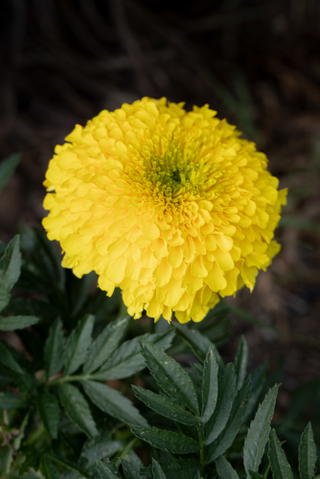
Marigolds are one of the easiest warm-season flowers to grow from seed. They’re the kind of plant that builds a gardener’s confidence: quick to germinate, forgiving of small mistakes, and generous with flowers all season long. Those same qualities are exactly why experienced gardeners keep planting them year after year.
For Indian kitchen gardens, marigolds also carry a second meaning. Known widely as gainda or genda, they connect the garden to festivals, puja, garlands, and the everyday color of home.
This guide covers how to grow marigolds from seed, including Inca II Yellow, Inca II Orange, Crackerjack Mix, nematode-control marigolds, Signet Lemon Gem, and Mexican tarragon.
Quick Start
Sow marigold seeds about 1/4 inch deep in warm soil.
Keep the seed-starting mix evenly moist until germination. Marigolds do not need light to sprout, so cover the seeds lightly.
Most marigolds germinate in 3–7 days when conditions are warm. Ideal soil temperature is around 70–75°F. If you are starting seeds indoors in summer and your room is already around 78°F, you do not need a heat mat.
Once seedlings sprout, move them into strong light right away.
The Remarkable Shape of a Marigold Seed
If you’ve never looked closely at a marigold seed, take a moment before planting.
Unlike the round seeds of tomatoes or peppers, marigold seeds look like tiny darts or paintbrushes. Each one is long and slender, with a black body and a pale tan tip where it was attached to the flower.
That shape isn’t just interesting, it’s an adaptation.
When a flower finishes blooming, the dried seed head opens into a cluster of these narrow seeds standing upright. Wind, rain, brushing animals, or simply the movement of the dead flower can shake them loose one at a time.
Their shape helps them slip between blades of grass, settle into cracks in the soil, or lodge beneath fallen leaves. Instead of rolling away like a round seed, they tend to catch where conditions are favorable for germination.
The long shape also makes the seeds remarkably easy to handle. Even children can usually pick up and sow individual marigold seeds without tweezers or special tools. That’s one reason marigolds have introduced generations of gardeners to growing plants from seed.
When you plant them, place the seed horizontally or at a slight angle about 1/4 inch deep. Don’t worry about which end points up, the seed knows what to do. The root emerges first and grows downward while the shoot bends toward the surface and the light.
Why Are They So Long?
Each marigold flower produces many seeds packed tightly together inside the base of the flower head.
Their narrow shape lets dozens of seeds fit efficiently into a surprisingly small space. Once the flower dries, the seeds separate cleanly instead of clumping together, allowing them to disperse gradually rather than all at once.
In nature, this spreads the risk. Some seeds may germinate immediately after rain, while others land somewhere better suited for survival.
When to Sow
Marigolds are warm-season plants. Sow them after cold weather has passed and nights are no longer chilly.
In Southern California and other mild-winter climates, marigolds can be started in spring and grown through the warm season. In hot inland areas, they may slow down during extreme heat but usually recover and keep flowering.
For fall flowers, start another round in late summer while there is still enough warmth for fast growth.
Starting Indoors
Use a seed tray, small pots, or soil blocks with a loose seed-starting mix.
Plant seeds 1/4 inch deep. Water gently so the seeds stay in place. Keep the mix moist but not soggy.
As soon as seedlings emerge, give them bright light. A sunny window is often not enough for sturdy seedlings, so use a grow light if seedlings begin stretching.
Transplant after seedlings have several true leaves and the weather is warm.
Direct Sowing Outdoors
Marigolds can also be direct sown.
Prepare loose soil, remove weeds, and water the bed before planting. Sow seeds 1/4 inch deep, then cover lightly. Keep the area moist until seedlings are established.
Thin seedlings so each plant has room to branch and flower. Crowded marigolds bloom less and are more prone to mildew and poor airflow.
Spacing
Use tighter spacing for small types and wider spacing for large types.
Signet Lemon Gem: 8–12 inches apart
Nematode-control marigolds: 8–12 inches apart
Inca II: 12–18 inches apart
Crackerjack Mix: 18–24 inches apart
In containers, give large marigolds more room than you think. They can become substantial plants.
Sun, Soil, and Water
Marigolds flower best in full sun.
They prefer well-drained soil. Average garden soil is usually enough. Too much fertilizer can produce lush leaves with fewer flowers.
Water regularly while plants are young. Once established, marigolds tolerate some dryness, but container plants still need consistent watering in hot weather.
Avoid keeping the soil constantly wet. Wet roots and poor airflow can lead to weak plants.
Variety Notes
Inca II Yellow and Inca II Orange
Inca II marigolds are large African-type marigolds with bold, full blooms. They are best for big color, borders, containers, and cutting.
Give them space, sun, and steady water. They make strong upright plants and are a good choice when you want the classic large marigold look.
Crackerjack Mix
Crackerjack is a tall, old-fashioned marigold mix with large yellow, orange, and gold blooms.
This is a good variety for background planting, vegetable bed edges, and cut flowers. Because it can get tall, avoid crowding it near small seedlings.
Nematode-Control Marigold
Nematode-control marigolds are grown less for show and more for soil support.
For best effect, grow them as a dense planting in the bed before a susceptible crop, then cut them down and work the plant material into the soil or use it as surface mulch. A few marigolds scattered around tomatoes may help the garden ecosystem, but they are not the same as a real nematode-control cover crop.
Use this type when your goal is improving a bed, supporting soil life, and interrupting pest pressure over time.
Signet Lemon Gem
Signet Lemon Gem is a smaller, finer-leaved marigold with many small lemon-yellow flowers.
It is excellent for containers, bed edges, pollinator areas, and edible flower use. The flowers have a citrusy, herbal scent and can be used sparingly as a garnish.
This is the most delicate-looking marigold in the group, but it can still be very productive in warm weather.
Mexican Tarragon
Mexican tarragon is not a typical bedding marigold, but it is in the same broader group and is grown for its anise-scented leaves and small golden flowers.
Grow it like a warm-season herb. It likes sun, warmth, and well-drained soil. Use the leaves as a tarragon substitute in the kitchen, especially where French tarragon struggles in heat.
Growing Marigolds in the Vegetable Garden
Marigolds fit naturally around tomatoes, eggplant, chilies, okra, beans, gourds, and herbs.
Use large marigolds like Inca II and Crackerjack where you want strong visual impact. Use Signet Lemon Gem along edges where you want smaller flowers and pollinator activity. Use nematode-control marigolds when you are treating a bed as part of a soil-building plan.
They do not need to be separate from the food garden. They belong in the working garden.
Care Through the Season
Pinch young plants if you want bushier growth.
Deadhead spent flowers to encourage more blooms. This is especially useful for large-flowered types like Inca II and Crackerjack.
Harvest flowers regularly if using them for garlands, arrangements, or kitchen use.
Watch for spider mites in hot, dry conditions and powdery mildew where airflow is poor. Good spacing and steady watering help prevent most problems.
Saving Seeds
Let some flowers dry fully on the plant. When the flower head is brown and dry, pull it apart and collect the long, thin seeds inside.
Store seeds in a cool, dry place.
Saved marigold seed may not come back exactly like the parent plant, especially from mixes or hybrid varieties, but it is still fun to grow.
Common Mistakes
Planting too deep. Marigolds only need light covering.
Keeping trays too wet. Moist is good. Soggy is not.
Using a heat mat in an already warm room. If your room is around 78°F, skip it.
Not enough light after germination. Seedlings stretch quickly without strong light.
Overfeeding. Too much nitrogen gives you leaves instead of flowers.
Crowding large varieties. Inca II and Crackerjack need room.
Expecting a few plants to solve nematodes. For nematode suppression, grow the right marigold densely as a bed treatment.
Closing Thoughts
Marigolds are simple, generous plants. Start them warm, give them sun, and they will reward you with months of color.
Grow the large types for bold flowers. Grow Signet Lemon Gem for edible blooms and pollinators. Grow nematode-control marigolds when you want the plant to work for the soil. Grow Mexican tarragon when you want a heat-loving herb with marigold-like flowers.
In a Desi kitchen garden, gainda is more than decoration. It is color, ritual, pollinator support, and garden resilience in one easy seed.

About the author
Steve Thomas-Patelis a California home gardener who grows Indian kitchen crops for his family in a backyard test garden. He writes about his gardening experiments at MySoCalGarden and for Masala Central's Grower's Corner.