Grower’s Corner
Growing Sunflowers from Seed
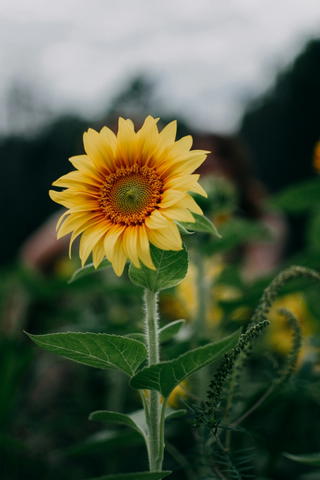
Sunflowers are one of those plants that remind you why growing from seed is so satisfying. You push a large striped seed into the soil, and a few months later you have a towering plant with a dinner plate sized flower head staring back at you.
The variety we grow most often is Mammoth Grey Stripe, the classic giant sunflower most people recognize. It grows tall, produces large seed heads, and the striped seeds are the same kind many people remember eating roasted as a snack.
If you have never grown sunflowers before, this is a great place to start. They are forgiving, fast-growing, and they thrive in the warm sunny conditions we get here in California.
Starting Sunflowers from Seed
Sunflowers are best direct sown outdoors. Although it is possible to start sunflowers indoors, they really do not like transplanting because they develop a strong taproot early on. If you are going to do it this way, it is best to transplant it quickly and with as little root disturbance as possible.
Sunflowers also do best in the ground. A large variety, like Mammoth, needs a lot of space for its roots. They can be grown in a large pot (10-15 gallon), but container growing is best reserved for dwarf varieties.
I simply wait until the soil has warmed up in spring and push the seeds directly into the ground about one inch deep. Germination is quick. In warm soil they often sprout within a week.
Spacing matters a bit with Mammoth types. These plants get big. I usually give them 12 to 18 inches between plants.
The seedlings grow quickly and within a few weeks they begin to look like miniature sunflowers.
One thing I always watch out for is birds. Freshly planted sunflower seeds are basically bird food sitting on the soil surface. If birds are a problem in your yard, a light covering or some temporary netting helps until the seedlings are established.
When to Plant in California
In most of California you can plant sunflowers from March through early summer.
In Los Angeles and San Bernardino, sunflowers can be planted March–July. In San Diego, March–June works well. Cooler coastal areas like San Francisco should plant April–June. In desert areas such as Barstow, plant March–May to avoid extreme heat during early growth.
They love warm weather and long sunny days. In Southern California they perform particularly well because they tolerate heat well, though in desert regions it helps to plant early so young plants establish before the most extreme summer temperatures.
I often plant them in waves a few weeks apart. That way the flowers do not all mature at the same time and you get sunflowers through much of the summer.
Soil and Water
Sunflowers are surprisingly adaptable plants.
They prefer well-draining soil, but they tolerate a wide range of conditions. I have seen them grow in sandy soil, average garden beds, and even somewhat heavy soil as long as it does not stay waterlogged.
Once they get established, they do not require constant watering. Deep watering once in a while works better than frequent shallow watering.
Because Mammoth Grey Stripe grows so tall, strong winds can sometimes knock plants over. If your garden gets windy, a little support early on helps the plants stay upright. Loosely tying them to bamboo sticks in the ground is a very effective way to support them.
Growing Sunflowers in Containers
It is possible to grow sunflowers in containers, but Mammoth Grey Stripe is not really a container variety.
These plants can reach eight to twelve feet tall, and they produce large flower heads that become heavy with seeds. They also develop deep roots.
If you want to try it in a container, use something large. At least a 10 to 15 gallon pot works best. The container should also be heavy enough so the plant does not tip over in the wind.
For most gardeners, sunflowers are simply easier and happier growing directly in the ground.
Harvesting Sunflower Seeds
When the flower finishes blooming, the head will begin to droop and the petals will fall away. The back of the flower turns from green to yellow and eventually brown.
At that point the seeds are mature.
You can cut the flower head and let it dry in a shaded airy place. Once dry, the seeds rub out easily by hand.
Mammoth Grey Stripe produces large seeds that are great for roasting.
Sunflowers and the Indian Kitchen Garden
Sunflowers are familiar plants across India, though they are most commonly grown as an oilseed crop rather than a home garden vegetable.
Sunflower oil is widely used in Indian cooking because it has a neutral flavor and handles high heat well.
In a home garden, sunflowers serve a different purpose. They bring pollinators into the garden, provide seeds for people and birds, and add a vertical element that makes the whole garden feel more alive.
Many gardeners also simply grow them because they are beautiful. A tall sunflower in bloom tends to become the center of attention in any garden bed.
Why I Keep Growing Them
Even with all the vegetables and herbs that come and go in the garden, I keep coming back to sunflowers.
They grow fast.
They handle heat.
They attract bees.
And by the end of the season you have a massive flower head full of edible seeds.
For California gardeners, they are one of the easiest warm-season crops you can grow from seed.
Push a few Mammoth Grey Stripe seeds into the soil in spring and let the sun do the rest.

About the author
Steve Thomas-Patelis a California home gardener who grows Indian kitchen crops for his family in a backyard test garden. He writes about his gardening experiments at MySoCalGarden and for Masala Central's Grower's Corner.