Grower’s Corner
Growing Summer Greens: Poi Saag, Red Leaf Rajgira, and Gongura
When traditional spinach and lettuce struggle in summer heat, certain leafy crops thrive. In many Indian kitchens, these warm-season greens are staples, not substitutes. They are cooked down into dals, stir-fries, chutneys, and saag-style dishes that rely on bold flavor and steady harvests.
If you garden in a warm California climate, these crops are often easier and more reliable than cool-season greens.
Poi Saag (Malabar Spinach)
What it is
Poi (Basella alba or Basella rubra) is a heat-loving, vining leafy green. It is not true spinach, but the leaves have a mild flavor and slightly succulent texture.
How it’s used in India
- Cooked into poi saag with garlic and chilies
- Added to dals
- Combined with pumpkin or other vegetables
- Lightly sautéed as a simple bhaji
The leaves thicken slightly when cooked, making them excellent for saucy dishes.
How to Grow Poi
- Sun: Full sun to light shade
- Season: Warm to hot weather
- Start: Direct sow after soil warms, or transplant
- Support: Provide a trellis or fence — it climbs vigorously
- Water: Moderate, consistent moisture
Harvest: Begin picking young leaves once vines establish. Regular harvesting encourages branching.
Tip: Unlike true spinach, poi thrives in summer heat and will not bolt.
Red Leaf Rajgira (Amaranth Greens)
What it is
Rajgira (Amaranthus spp.) is grown both for grain and tender leaves. Red leaf varieties are especially prized for their color and mild earthy flavor.
How it’s used in India
- Stir-fried rajgira bhaji
- Combined with garlic and chilies
- Added to dal
- Sometimes mixed with other greens
It cooks down quickly and has a softer texture than mustard or kale.
How to Grow Rajgira
- Sun: Full sun
- Season: Warm season
- Start: Direct sow after the last frost
- Spacing: Thin seedlings to allow airflow
- Water: Moderate; tolerates heat well
Harvest: Cut young leaves for tender greens, or allow plants to grow larger and harvest outer leaves. You can succession sow every few weeks.
Tip: This is one of the easiest summer greens for beginners.
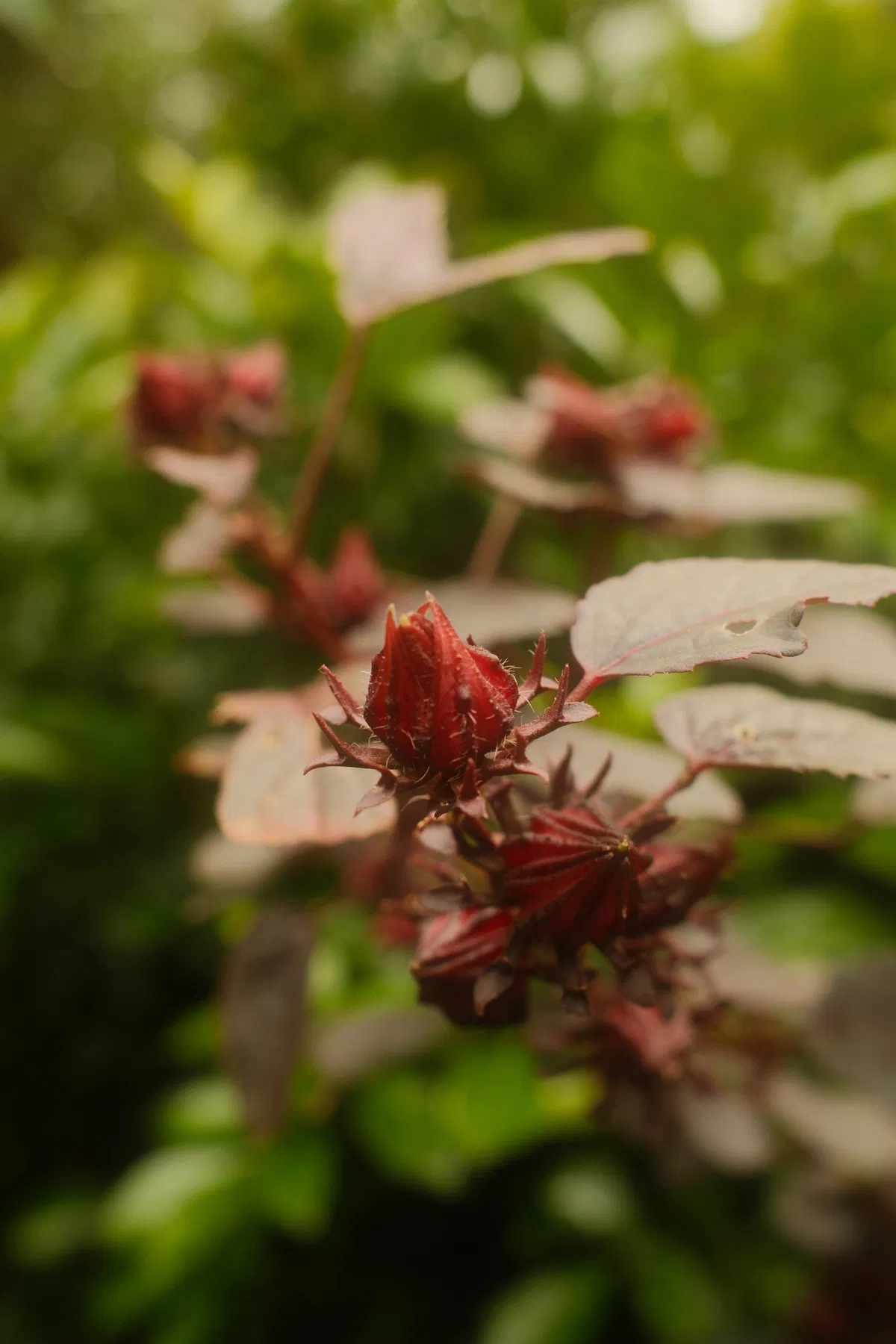
Gongura (Roselle / Hibiscus sabdariffa)
What it is
Gongura is a leafy hibiscus grown for its tangy, sour leaves. It is a cornerstone of Andhra cuisine.
How it’s used in India
- Gongura pachadi (chutney)
- Cooked with dal
- Paired with mutton or lentils
- Slow-cooked into richly spiced gravies
Its natural sourness replaces tamarind in many dishes.
How to Grow Gongura
- Sun: Full sun
- Season: Warm season, thrives in heat
- Start: Direct sow or transplant after frost
- Height: 3–5 ft
- Water: Moderate, consistent
Harvest: Pick leaves once plants are established. Older leaves develop a stronger sour flavor.
Tip: Plants grow large. Give them space.
Growing Tips for All Three
- Wait until soil temperatures are warm before sowing. These are not early-spring crops.
- Harvest regularly to keep plants productive.
- Provide consistent water during establishment, then moderate watering once roots are deep.
- These crops tolerate heat far better than cool-season greens.
Why Grow Summer Greens?
In many Indian kitchens, greens are not limited to “salad season.” They are daily cooking ingredients. Poi thickens curries. Rajgira sautés quickly for weeknight meals. Gongura brings unmistakable sour depth.
For California gardeners, these plants solve a practical problem: what to grow when spinach bolts and lettuce fails.
Instead of fighting the heat, grow crops that expect it.

About the author
Steve Thomas-Patelis a California home gardener who grows Indian kitchen crops for his family in a backyard test garden. He writes about his gardening experiments at MySoCalGarden and for Masala Central's Grower's Corner.