Grower’s Corner
Growing Okra
Okra is not a shoulder-season plant. It is not something you squeeze in before the heat arrives.
Okra waits for summer and then it moves.
If you plant it too early, it sits. If you plant it in cool soil, it sulks. But once the ground is warm and the nights stay mild, okra becomes one of the most reliable crops in the garden.
In inland Southern California, this is a true summer vegetable. It thrives when daytime temperatures are steady in the 80s and 90s. It does not flinch at heat the way tomatoes sometimes do. It does not stall in August. It keeps producing.
Warm Soil First
Direct sow after frost, but more importantly, after soil is warm.
You want soil temperatures consistently above 70°F. In most of our gardens, that means late April or May.
Okra seeds are large and sturdy. Plant them ½ to 1 inch deep. Germination is usually quick in warm soil. If conditions are marginal, soaking seeds overnight can help.
Transplanting is possible but unnecessary. Direct sowing produces strong, upright plants.
Sun and Structure
Okra prefers full sun. Give it at least eight hours.
In extreme heat, partial afternoon shade will not kill it, but yields are best in full exposure. These are upright plants that can reach four to six feet tall depending on variety and fertility.
Clemson Spineless is sturdy and relatively compact compared to some heirloom types, but still benefits from space and airflow.
Space plants 12 to 18 inches apart. Crowding reduces airflow and makes harvesting more difficult.
Soil and Feeding
Okra is not delicate, but it performs best in rich, well-drained soil.
Before planting, work compost into the bed. Once plants are established and flowering begins, a light side-dressing of organic fertilizer can support continued pod production.
Avoid shallow, frequent watering. Water deeply and less often to encourage strong root systems.
The Growth Habit
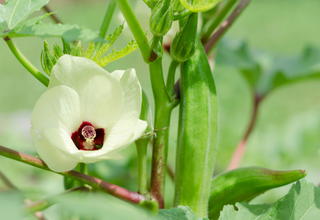
Okra grows upright, not sprawling. Large palmate leaves shade the base of the plant. Creamy yellow hibiscus-like flowers appear first, followed quickly by pods.
The plant moves in cycles. Flower. Pod. Flower. Pod. In peak heat, this can happen quickly.
You will not get one big harvest. You will get steady picking over weeks.
Harvesting Properly
The most common mistake with okra is waiting too long.
Pods are best harvested young and tender, usually 3 to 4 inches long. Once they begin to toughen, texture declines quickly.
In warm weather, check plants every day or two. Regular harvesting encourages more flowering and continued production.
If you skip a few days and pods become large and fibrous, remove them anyway. Leaving overmature pods on the plant slows future production.
Heat Performance in California
This is where okra earns its place.
In July and August, when some crops begin to struggle, okra remains upright and productive. The plant does not collapse under sustained sun. It does not drop fruit easily. It tolerates dry air better than many vegetables.
If your goal is to keep your garden active through peak summer, okra belongs in the plan.
Culinary Use
Clemson Spineless produces straight green pods with classic flavor.
Harvest young for:
- Bhindi sabzi
- Quick stir-fries
- Frying
- Stews and African dishes
Fresh, homegrown pods are noticeably more tender than store-bought okra that has traveled.
Timing Summary for Southern California
Plant: Late April through June
Harvest: About 50 to 60 days after sowing
Peak Production: Mid-summer through early fall
In frost-free areas, production can continue well into autumn.
Okra is a plant that rewards patience at the beginning and consistency in harvest. Give it heat, give it sun, and then keep picking. It will keep responding.
