Grower’s Corner
Growing Moringa (Drumstick Tree) from Seed
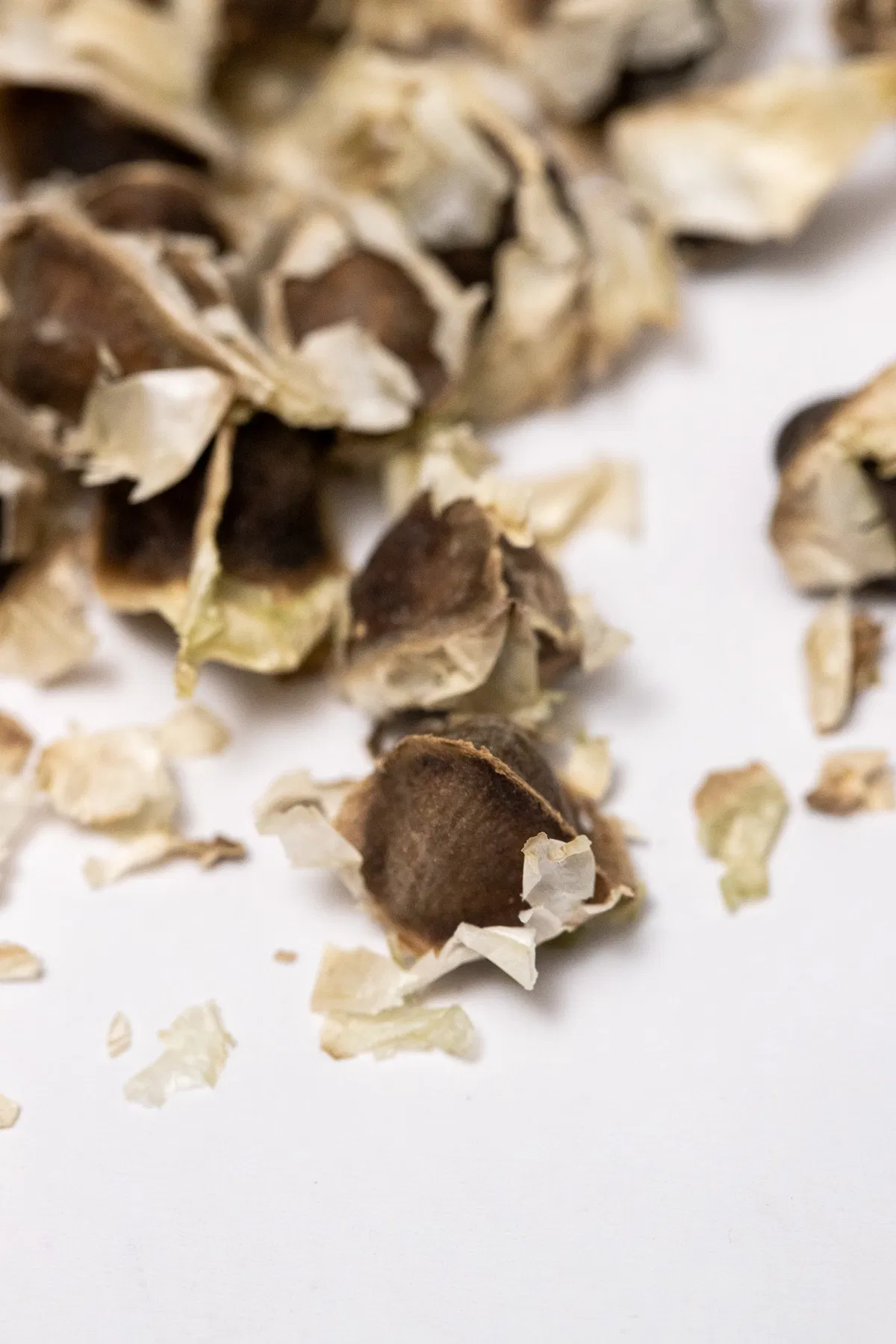
Moringa oleifera is a fast growing tropical tree grown for its leaves and pods. Most people planting it already know what it is for. The real question in a home garden is how to grow it in a way that makes sense for the space you have.
Left alone, moringa grows tall quickly and puts its energy into height. If your goal is steady leaf harvest, you need to shape it early and grow it with intention.
Starting from Seed
Moringa seeds need warmth and drainage more than anything else.
Wait until soil temperatures are consistently warm. In Southern California, that usually means late April or May. Cold soil slows germination and can cause rot.
Plant seeds about one inch deep in loose, well draining soil. Water thoroughly after planting, then allow the surface to dry slightly before watering again. The soil should not stay constantly wet.
Germination typically occurs within 7 to 14 days in warm conditions.
You can soak seeds overnight before planting if you want to speed germination slightly, but it is not required.
Depth and Transplanting
Moringa develops a taproot early. That taproot prefers depth and does not like disturbance.
Avoid shallow seed trays. If starting in containers, use something at least 8 to 10 inches deep. Even better, sow directly into the container or ground where the plant will remain.
If you transplant, do it while the seedling is still young, around 6 to 10 inches tall. Move the root ball intact without shaking soil off. The less disruption, the better the plant will establish.
Soil and Watering
Good drainage is more important than heavy feeding.
Sandy or loose soil works well. In containers, choose a mix that drains quickly. If leaves begin to yellow early on, overwatering is usually the cause.
Water deeply, then allow the top few inches of soil to dry before watering again. Once established, moringa tolerates dry conditions far better than excess moisture.
Growing in Containers
Moringa can be grown successfully in containers if the size is appropriate.
For short term growing, a 7 gallon container can work. For longer term leaf production, 15 to 25 gallons is more realistic. Larger containers provide better stability and more consistent growth.
Full sun is essential.
Container grown plants will require more frequent watering during peak summer heat, but the soil should still drain freely.
Keeping the Plant Compact
Without pruning, moringa grows upward and becomes difficult to harvest.
When the plant reaches about 18 to 24 inches tall, cut the main stem back to around 12 to 18 inches. This encourages branching.
After that, continue to prune new branches once they extend another 12 to 18 inches. Cutting back by one third to one half keeps the plant compact and increases the number of growing tips.
If managed this way, moringa behaves more like a productive shrub than a tree.
In warm climates without frost, established plants can be cut back hard each year to maintain a manageable size.
Cold Sensitivity
Moringa does not tolerate frost. In marginal climates, it may drop leaves during cooler months. Light frost can damage top growth, though the base may resprout once temperatures rise.
In cooler areas, container growing allows for easier protection.
Harvesting and Use
Begin harvesting once the plant is well branched and at least two to three feet tall.
Take tender growing tips and side shoots. Regular harvesting helps maintain shape and encourages new growth.
Fresh leaves can be stirred into dal near the end of cooking, sautéed briefly with spices, or mixed into egg dishes. Extra leaves can be dried for later use.
Growing moringa successfully is mostly about warmth, drainage, and early shaping. If you manage those three things, the plant becomes reliable and productive rather than oversized and difficult to handle.

About the author
Steve Thomas-Patelis a California home gardener who grows Indian kitchen crops for his family in a backyard test garden. He writes about his gardening experiments at MySoCalGarden and for Masala Central's Grower's Corner.