Grower’s Corner
Growing Indian Summer Gourds and Melons
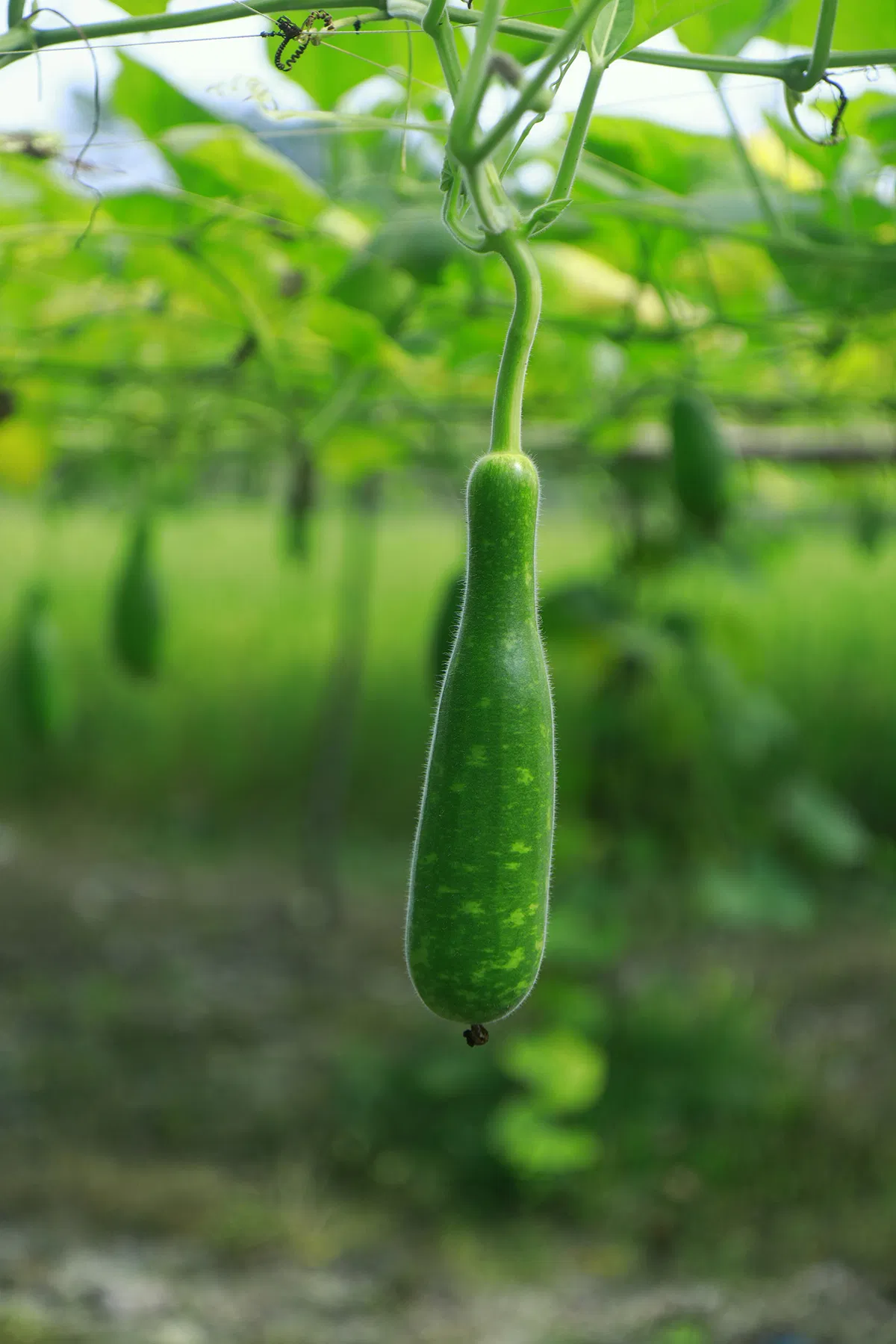
Heat-loving vines for serious summer harvests
If you garden in Southern California, summer is not something to survive. It is something to lean into.
When daytime highs start sitting in the 80s and 90s, and the soil is fully warm, this is when Indian summer vegetables come into their own. Watermelon, dudhi, bitter gourd, ridge gourd, sponge gourd. These are not delicate plants. They are built for heat.
In fact, they often look better in July than they do in May.
These crops thrive when the garden feels almost too bright and too hot. Where lettuce wilts and spinach bolts, these vines expand. Leaves get larger. Growth speeds up. The whole plant seems to gain momentum week after week.
If you want your garden to feel abundant in late summer, these are the plants that create that feeling.
Warm Soil First
The biggest mistake people make is starting too early. These are tropical and subtropical plants. They do not want cool nights and cold soil. They want warmth that holds overnight.
Wait until soil temperatures are consistently above 70°F before direct sowing. In most inland Southern California gardens, that means late April into May. Once planted into warm ground, they germinate quickly and grow with confidence.
You can start them indoors a few weeks early, but handle roots gently when transplanting. Most gourds resent root disturbance.
Full Sun, Real Sun
These crops need full sun. Not filtered light. Not bright shade. Real sun. Eight hours is a baseline. Ten is better.
Yes, we get intense summer heat. Yes, we get 100 degree stretches. Mature vines handle it remarkably well as long as they have deep watering and healthy soil.
Large leaves shade the soil and reduce surface heat. Once established, the plants regulate themselves surprisingly well. What stresses them is inconsistency. Shallow watering. Compact soil. Poor drainage.
Give them deep, rich soil and regular irrigation and they respond with steady, vigorous growth.
Trellising Changes Everything
You can let some of these vines sprawl, especially watermelon. But trellising improves almost every gourd in your garden.
Dudhi, bitter gourd, ridge gourd, sponge gourd all climb readily. Once they find support, they move upward quickly. Vertical growth improves air flow, reduces pest pressure, and keeps fruit cleaner and straighter.
A strong structure matters. These are not light decorative vines. Bottle gourd fruit can get heavy. Use cattle panel arches, sturdy A-frames, or solid netting tied to a frame. Install the structure at planting time so vines learn to climb early.
When you walk under a healthy trellised dudhi in mid-summer and see fruit hanging overhead, it changes how the garden feels. It becomes layered. Productive. Alive.
Watermelon
Crimson Sweet is a reliable, large-fruited variety that performs well in warm California summers.
The vines spread widely and need space. Plan for six to eight feet of run. The foliage is thick and shades the soil well once established.
Watermelons are heavy feeders. Amend soil before planting. Water deeply and consistently during vine growth and fruit set. As fruit approaches maturity, slightly reducing water can concentrate sweetness.
Harvest when the nearest tendril dries and the underside turns creamy yellow. Homegrown fruit ripened fully on the vine is noticeably sweeter and more complex than store fruit.
Dudhi (Bottle Gourd)
Dudhi is one of the most productive summer vines you can grow.
Once it starts flowering, fruit production is steady. Harvest young for tender texture. If allowed to mature fully, the skin hardens and the interior becomes fibrous.
This plant benefits strongly from vertical support. Fruit grown on trellises stays straighter and cleaner. Regular harvesting encourages continued flowering and fruiting.
In full summer heat, dudhi looks comfortable. It does not slow down when temperatures rise. It accelerates.
Bitter Gourd (Karela)
Bitter gourd prefers real heat. Germination can be slow if soil is not warm enough. Soaking seeds before planting improves consistency.
The vines are energetic climbers. Leaves are deeply lobed and create a light canopy. Trellising improves fruit shape and makes harvesting easier.
Pick fruit while firm and still green. Waiting too long increases bitterness and reduces quality. Regular harvesting keeps the plant producing.
In peak summer, bitter gourd feels exactly in its element.
Ridge Gourd and Sponge Gourd
Ridge gourd grows quickly once established and handles sustained heat well. Harvest when young and tender for best texture.
Sponge gourd can be grown for eating when young or allowed to mature into natural loofah sponges. Both types benefit from strong vertical support and consistent watering.
These vines are vigorous. Expect long runners and rapid canopy development once the soil is warm.
Other Summer Vines to Grow
Ash gourd is a large, vigorous vine that produces substantial fruits with excellent keeping quality. The plants appreciate heat, rich soil, and space to run or climb. In warm conditions they establish quickly and continue growing steadily through peak summer.
Snake gourd produces long, dramatic fruit that hang beautifully from trellises. The vines are fast and responsive once temperatures are consistently warm. Strong vertical support is essential, both for airflow and for proper fruit development.
Muskmelon varieties with Indian flavor profiles grow similarly to watermelon but tend to mature slightly earlier. They require full sun, deep watering, and generous spacing. With proper heat, the vines are assertive and productive, setting fruit steadily through mid to late summer.
Ivy gourd is well suited to truly frost-free areas. It is a climbing perennial vine that benefits from sturdy trellising and regular pruning to manage growth. In warm climates it becomes increasingly vigorous each season once established.
The Big Picture
Indian summer gourds and melons are not niche vegetables. They are practical heat crops.
They grow fast once conditions are right. They fill vertical space. They produce heavily through peak summer. They connect directly to everyday cooking.
If your garden slows down in August, these are the plants that keep it moving.
Plant them when the soil is truly warm. Give them sun. Give them structure. Water deeply. Then watch what happens.

About the author
Steve Thomas-Patelis a California home gardener who grows Indian kitchen crops for his family in a backyard test garden. He writes about his gardening experiments at MySoCalGarden and for Masala Central's Grower's Corner.