Grower’s Corner
Growing Indian Summer Beans
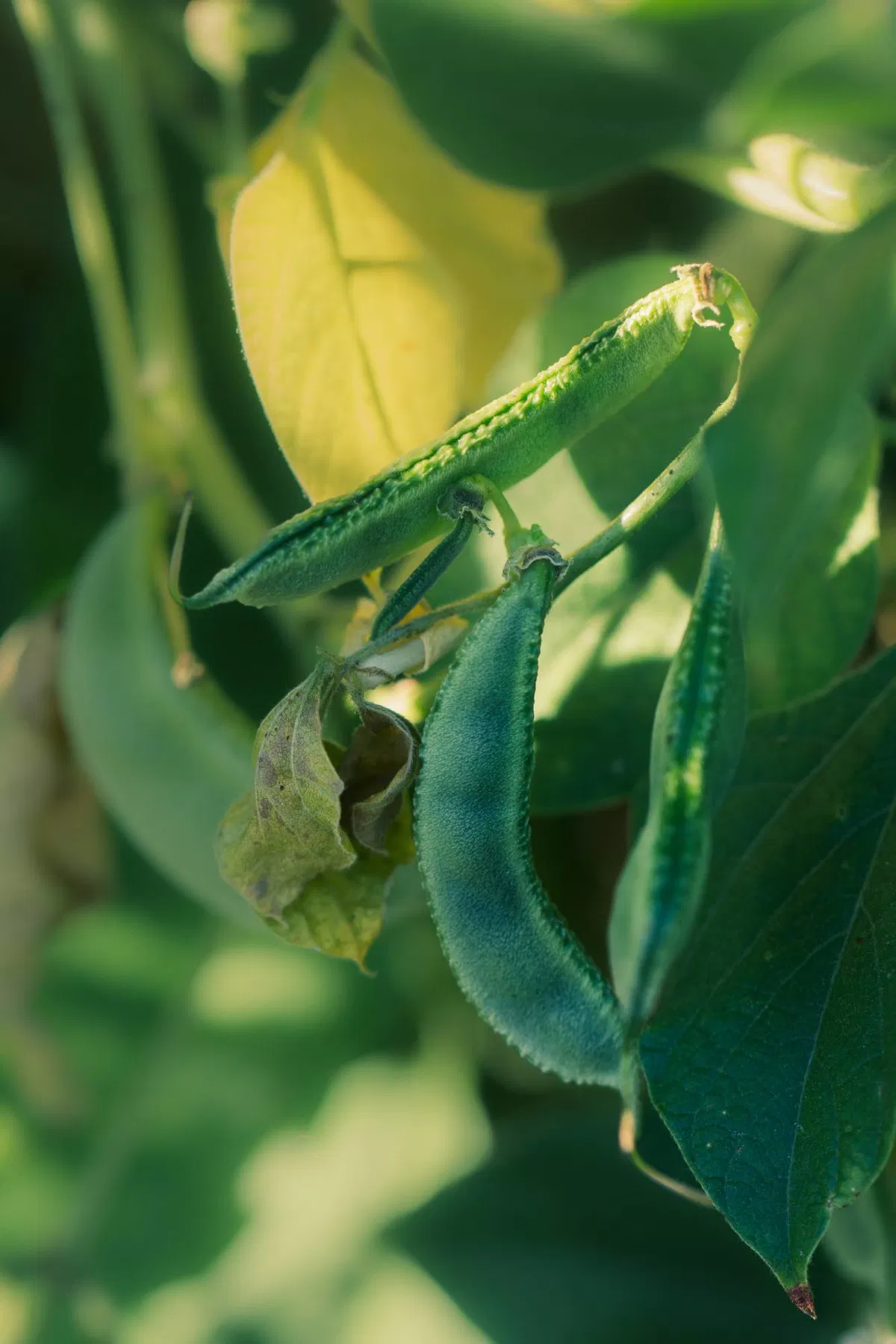
If you’ve grown beans before, you already understand the appeal. They move fast. They cover ground. They produce in volume.
But Indian summer beans are a little different from the standard green beans most people start with. They are built for heat. They are comfortable in long, hot stretches. And when they are planted at the right time, they carry the garden through summer without complaint.
The key is simple. Do not rush them. Wait for warm soil. Direct sow. Give them sun. And then stay steady with water once flowering begins.
Everything that follows builds on that.
Gawar
Gawar is a heat plant. It does not pretend otherwise.
Plant it only after the soil is properly warm. Below 65°F it hesitates. Above that, it establishes quickly and grows upright without much intervention.
I do not overfeed gawar. Moderate soil fertility is enough. Too much nitrogen gives you leaves and delays pod production.
Harvesting is where most people make mistakes. The pods need to be picked young. Once they begin to thicken, the texture toughens. If you harvest regularly, the plant keeps producing. Ignore it for a week and quality drops fast.
In peak heat, gawar often outperforms other vegetables. It is a reliable crop when summer becomes serious.
Papdi
Hyacinth Bean / Valor
Papdi wants structure.
Many Indian types are vigorous climbers. Install your trellis at planting time. Once the vine starts moving, it commits to that direction. Trying to reorganize it later is frustrating.
Papdi responds well to steady moisture during flowering. If water fluctuates heavily, you will see flowers drop instead of forming pods.
Like gawar, tenderness depends on timing. Pods are best when flat and flexible. If they begin to swell heavily, you waited too long.
A few well-managed vines are more productive than an overcrowded patch.
Yardlong Beans
Long Bean / Lobia
Yardlong beans are built for heat in a way that surprises people used to bush beans.
They climb aggressively and need real height. Six feet is a starting point. Eight is better if you have the space.
They handle high temperatures better than common green beans. Where bush beans stall in hot weather, yardlong beans continue.
The pods should be harvested before they fully mature. If they begin to feel thick and heavy, quality declines. Frequent picking keeps production steady.
If you give them height and warmth, they reward you heavily.
Rajma
Kidney Bean Types
Rajma is slower. It asks you to think long-term.
Plant it once the soil is warm and give it full sun. Moderate fertility is enough. Too much nitrogen creates foliage at the expense of pods.
Unlike gawar or papdi, you are usually growing rajma for dry beans. That means allowing pods to mature fully on the plant. As they dry and turn brittle, harvest and shell them. Cure thoroughly before storage.
It is not an instant reward crop. But when you open a jar of your own dried beans months later, it feels different from anything bought.
Water and Soil Across the Board
All of these beans prefer soil that was prepared properly before planting. Compost worked in deeply is sufficient. They do not need heavy feeding during the season.
Water matters most during flowering and pod formation. Inconsistent moisture leads to dropped flowers and uneven yield. I water deeply and let the surface dry slightly before watering again. That encourages deeper roots and steadier growth.
How Much Is Enough
It is easy to overestimate how many beans you need.
A short row of gawar can supply regular sabzi harvests.
A few yardlong vines can fill a trellis quickly.
Papdi produces steadily when harvested well.
Rajma is better grown in a modest block rather than scattered plants.
Start smaller than you think. These are generous crops.

About the author
Steve Thomas-Patelis a California home gardener who grows Indian kitchen crops for his family in a backyard test garden. He writes about his gardening experiments at MySoCalGarden and for Masala Central's Grower's Corner.