Grower’s Corner
Growing Edible Flowers in the Indian Kitchen Garden
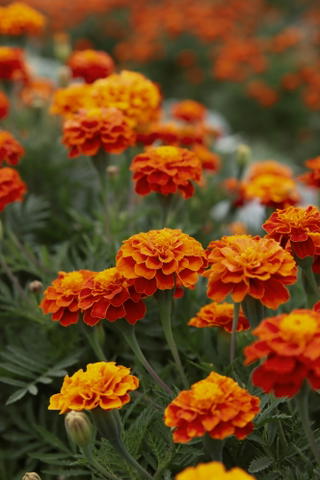
Edible flowers are not decoration. They are part of how food, ritual, and season connect in the garden.
Nasturtiums bring peppery leaves and bold blooms to salads and chaats. Marigolds carry color into puja, festivals, and borders while quietly supporting the vegetable garden. Calendula bridges culinary and traditional herbal use with bright, resinous petals. Butterfly pea adds a different role entirely, producing deep blue flowers for tea, natural color, and everyday use in a warm-season garden.
An edible flower bed does two things at once. It feeds the kitchen and it strengthens the garden.
This guide covers how to grow edible flowers from seed, what to expect, and how they fit into a working Indian kitchen garden.
Starting from Seed
Edible flowers are some of the easiest plants to grow directly in the garden.
Use loose, well-drained soil. These plants do not need rich compost to start. In fact, too much fertility can reduce flowering.
Most edible flowers prefer direct sowing.
- Nasturtium and marigold have large seeds and should be planted ½–1 inch deep.
- Calendula seeds can be planted about ¼–½ inch deep.
- Space generously. Crowding reduces airflow and flower production.
Water gently but consistently until seedlings establish. Once rooted, many edible flowers tolerate mild neglect better than overwatering.
When to Sow
In Southern California and other mild climates:
Cool season sowing
Nasturtium and calendula perform best in fall through early spring. They tolerate light frost and often struggle in peak summer heat.
Warm season sowing
Marigolds prefer warmth and steady sun. Sow once soil temperatures rise and nights are no longer cold.
Butterfly pea is a true warm-season vine. Sow once soil is consistently warm and nights are stable. It requires heat to establish and will not perform in cool conditions.
Watch temperature more than the calendar. Edible flowers respond strongly to heat and light.
What to Expect as Plants Grow
Nasturtium starts fast. Leaves appear quickly, followed by buds within weeks in mild weather.
Marigold establishes upright stems and begins flowering steadily once temperatures rise. Regular deadheading encourages continuous blooms.
Calendula forms low mounds of foliage and produces flowers early in cool weather. In warm conditions it may slow down.
Flower production increases when plants are harvested regularly. The more you pick, the more they produce.
Flower Profiles for the Kitchen Garden
Nasturtium — Empress of India
A compact heirloom with deep red blooms and dark foliage. Leaves and flowers are edible with a mild peppery bite. Use fresh in salads, as garnish, or alongside chaat and grain dishes.
Direct sow in cool weather. Prefers average soil and good drainage. Partial sun helps in hotter months.
Marigold — Culinary and Garden Types
Marigolds are essential in many Indian homes for festivals and daily ritual. In the garden, they are equally practical. Bright blooms attract beneficial insects and add strong color around vegetable beds.
Some varieties are edible and can be used sparingly in rice dishes, salads, or as natural color accents. Flavor varies by type, so always confirm culinary suitability.
Sow in warm weather. Full sun produces the best flowering. Avoid overly rich soil, which can reduce blooms.
Calendula — Pot Marigold
Calendula thrives in cool weather and produces bright orange and gold petals that can be used fresh or dried. The petals are mild, slightly resinous, and are often used in teas, infused oils, and as a finishing garnish for rice and lentil dishes.
It fits naturally into the winter garden alongside leafy greens, coriander, and dill. Plants form low mounds and begin flowering early, often before most other crops are established.
Direct sow in fall or early spring. Seeds should be lightly covered and kept evenly moist until germination. Thin to allow airflow as plants spread.
Calendula prefers moderate conditions. In rich soil it will produce more foliage than flowers. In heat, flowering slows and plants may decline.
Harvest frequently. Regular picking encourages continuous blooms and prevents plants from setting seed too early.
Butterfly Pea — Blue Flower Vine
A warm-season climbing vine grown for its deep blue flowers. In the kitchen, it is used for herbal tea and natural color, especially in drinks and rice. The flavor is mild, but the visual impact is strong.
Unlike most edible flowers, butterfly pea thrives in heat and produces continuously once established. It fits into the summer garden alongside gourds, beans, and other vining crops.
Provide support early. Plants climb readily and benefit from a trellis or fence.
Direct sow in warm soil or start indoors. Seeds benefit from soaking before planting to improve germination. Space plants to allow airflow as vines develop.
Harvest flowers regularly to keep plants producing. Frequent picking encourages new blooms and prevents slowdown.
Building a Working Edible Flower Bed
Edible flowers integrate easily into vegetable spaces.
Nasturtium can spill from container edges or line raised beds. Marigolds can border tomatoes, chillies, and eggplant. Calendula fits between winter greens and herbs. Butterfly pea can climb along trellises, fences, or the edges of vertical structures in the summer garden.
They do not require a separate ornamental section. They belong alongside the food.
A small combination of nasturtium, marigold, calendula, and butterfly pea creates color, pollinator support, and usable harvest across seasons.
Common Mistakes
Overfeeding. Excess fertilizer produces leaves, not flowers.
Planting too late in heat. Nasturtiums and calendula decline in extreme summer temperatures.
Not harvesting. Frequent picking encourages continued blooming.
Planting butterfly pea too early. It needs heat to germinate and establish.
Closing Thoughts
Edible flowers are one of the simplest ways to expand a kitchen garden. They bring color, pollinators, and small but meaningful harvests.
Plant a few along the edge of your beds. Let them move between ritual, table, and garden. That connection is part of what makes a kitchen garden feel complete.

About the author
Steve Thomas-Patelis a California home gardener who grows Indian kitchen crops for his family in a backyard test garden. He writes about his gardening experiments at MySoCalGarden and for Masala Central's Grower's Corner.