Grower’s Corner
California Native Flowers: Growing with the Seasons and Supporting Local Ecology
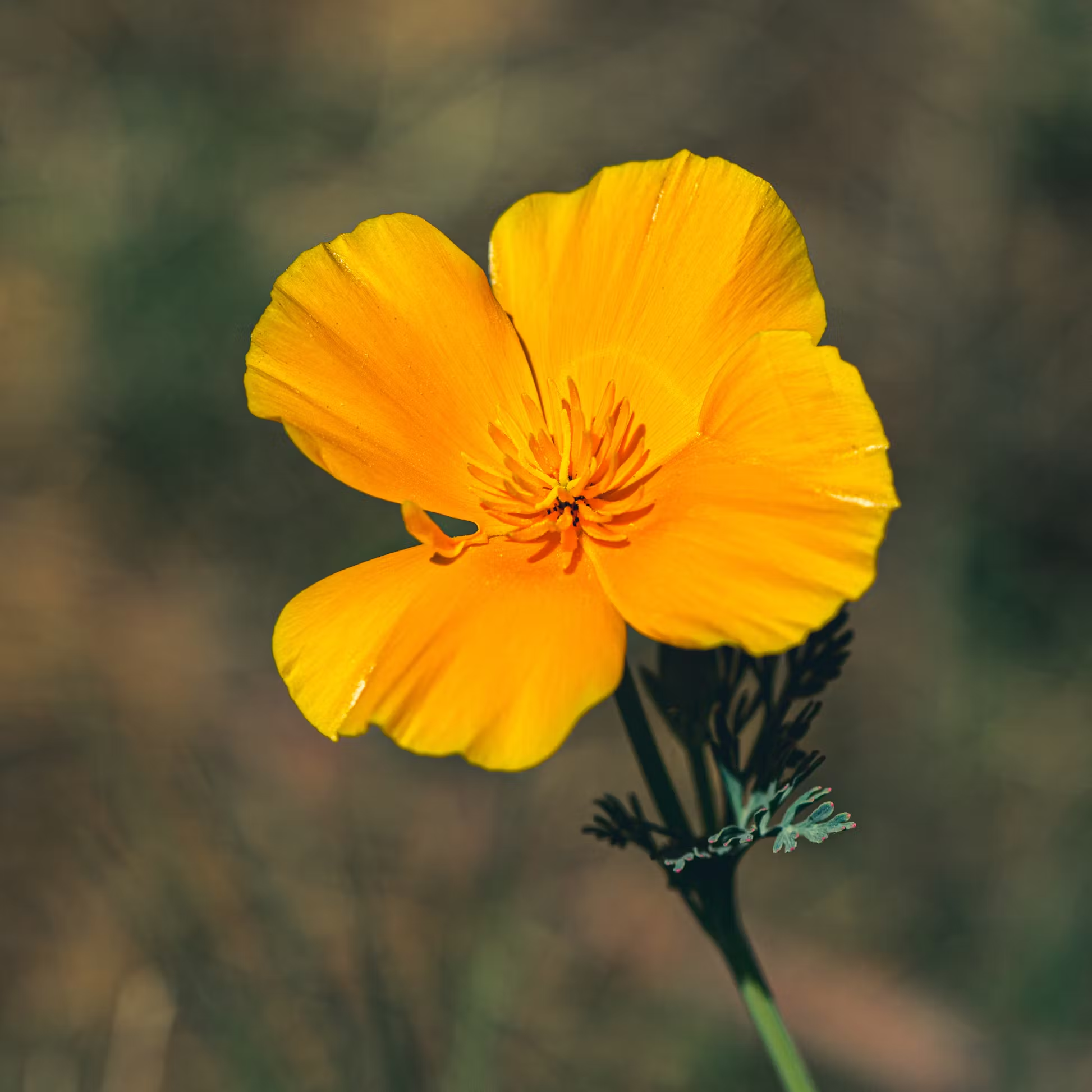
California native flowers bring a different energy to the garden. They grow with the rhythm of our climate: cool winters, bright springs, and dry summers, rather than fighting against it. For gardeners across Southern California, adding native plants like wildflower mixes, California poppies, California bluebells, and narrowleaf milkweed is one of the simplest ways to create beauty, attract pollinators, and strengthen the overall health of the space.
Even if you focus mainly on vegetables and herbs, native flowers play an important role. They support the birds, bees, and butterflies that help a garden thrive, turning a planting area into a small but meaningful part of the local ecosystem.
Why Grow California Native Plants
Native flowers evolved alongside California’s wildlife. Their bloom times, nectar, and growth habits match what local pollinators expect. When these plants are added to a garden, they help create a steady flow of resources for beneficial insects, especially early in the season when few other plants are flowering.
This isn’t just about aesthetics. Pollinators visiting native flowers often move on to nearby vegetables, fruiting crops, and herbs, increasing activity throughout the garden. Many growers notice more bees, more butterflies, and a greater sense of balance once natives are introduced.
There is also a deeper connection at play. Growing plants that belong to this landscape can feel grounding. Instead of recreating a garden from somewhere else, native flowers reflect the hillsides, deserts, and open spaces that define California itself.
How Native Plants Fit Alongside Food Crops
You may not harvest native flowers for the kitchen, but they contribute in ways that directly support what you do harvest.
Native blooms:
• Provide early-season nectar that keeps pollinators active before vegetables flower
• Create habitat for beneficial insects that help manage pests naturally
• Offer seeds and shelter for birds, adding life and movement to the garden
Think of native plants as companions rather than replacements. A row of poppies at the edge of a bed, a grow bag filled with wildflowers, or a dedicated corner for milkweed can transform the atmosphere of a space without taking away from edible crops.
Starting from Seed
Most California natives grow best when sown directly into their final location. Scatter seeds over loosened soil and press them gently into the surface. Avoid burying them deeply, as many native species rely on light or temperature changes to germinate.
Water lightly but consistently during early growth. Once seedlings are established, reduce irrigation gradually. Native plants develop stronger roots when they are not overwatered.
Fall through late winter is often the best planting window, especially in regions with mild winters. Cooler weather encourages steady growth and prepares plants for spring blooms.
Water, Soil, and Sunlight
Native flowers generally prefer simple conditions:
• Full sun or bright, open exposure
• Fast-draining soil
• Light to moderate watering during establishment
• Minimal summer irrigation
Rich fertilizers are rarely necessary. Lean soil often produces sturdier plants with more natural growth habits.
In containers, choose wide pots with good drainage. Allow the soil surface to dry slightly between waterings to mimic natural rainfall patterns.
Featured Blooms
Wildflower Mix
A blend of native species that creates a natural meadow effect. Ideal for filling open areas quickly while supporting a wide range of pollinators. The diversity of blooms provides food sources across the season.
California Poppies
Bright, drought-tolerant flowers that thrive in sun and lean soil. Their blossoms open with the light and bring movement and color to pathways, borders, and containers.
California Bluebells
Deep blue flowers that appear early in the season. These blooms offer valuable nectar at a time when pollinators are just becoming active after winter.
Narrowleaf Milkweed
An essential host plant for monarch butterflies. Slender foliage blends easily into mixed plantings while contributing directly to butterfly conservation.
Supporting Local Ecology
Every native flower planted becomes part of a larger story. Bees gather pollen. Butterflies pause to feed. Birds return for seeds once blooms fade. Even dried stems provide shelter for beneficial insects through the seasons.
Allowing some plants to complete their life cycle helps build continuity in the garden. Instead of constant removal and replanting, native flowers encourage a slower, more natural rhythm that supports wildlife year after year.
Designing with Native Flowers
Native plants work best when integrated naturally into existing spaces. Try:
• Edging raised beds with poppies or bluebells
• Filling unused grow bags with wildflower mixes
• Creating a small pollinator patch anchored by milkweed
These additions don’t require large areas. Even a modest planting can attract surprising amounts of life.
Growing with Purpose
Planting California natives is a way to garden with the landscape rather than against it. While vegetables and herbs provide food for the table, native flowers nourish the ecosystem that makes a thriving garden possible.
With simple care and thoughtful placement, these plants invite birds, bees, and butterflies into the space — turning an ordinary garden into a living habitat that supports both harvest and biodiversity.

About the author
Steve Thomas-Patelis a California home gardener who grows Indian kitchen crops for his family in a backyard test garden. He writes about his gardening experiments at MySoCalGarden and for Masala Central's Grower's Corner.