Grower’s Corner
How to Grow Beans (Bush and Yardlong) in Warm-Season Gardens
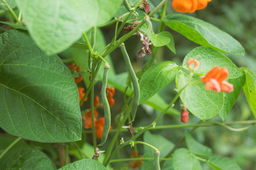
Beans are one of the fastest and most reliable crops in a warm-season garden. They establish quickly, produce heavily, and fit easily into everyday cooking.
Both bush beans and yardlong beans grow well in warm conditions. They share the same basic needs, but differ in how they grow and how they produce. Understanding that difference helps you decide what to plant and how to use the space.
Types of Beans
Bush Beans (Hari Phali / Green Beans)
Bush beans grow as compact plants. They do not require support and produce a concentrated harvest over a short period.
This makes them useful when you want:
- a quick crop
- predictable harvest timing
- something easy to fit between other plants
Yardlong Beans (Long Beans)
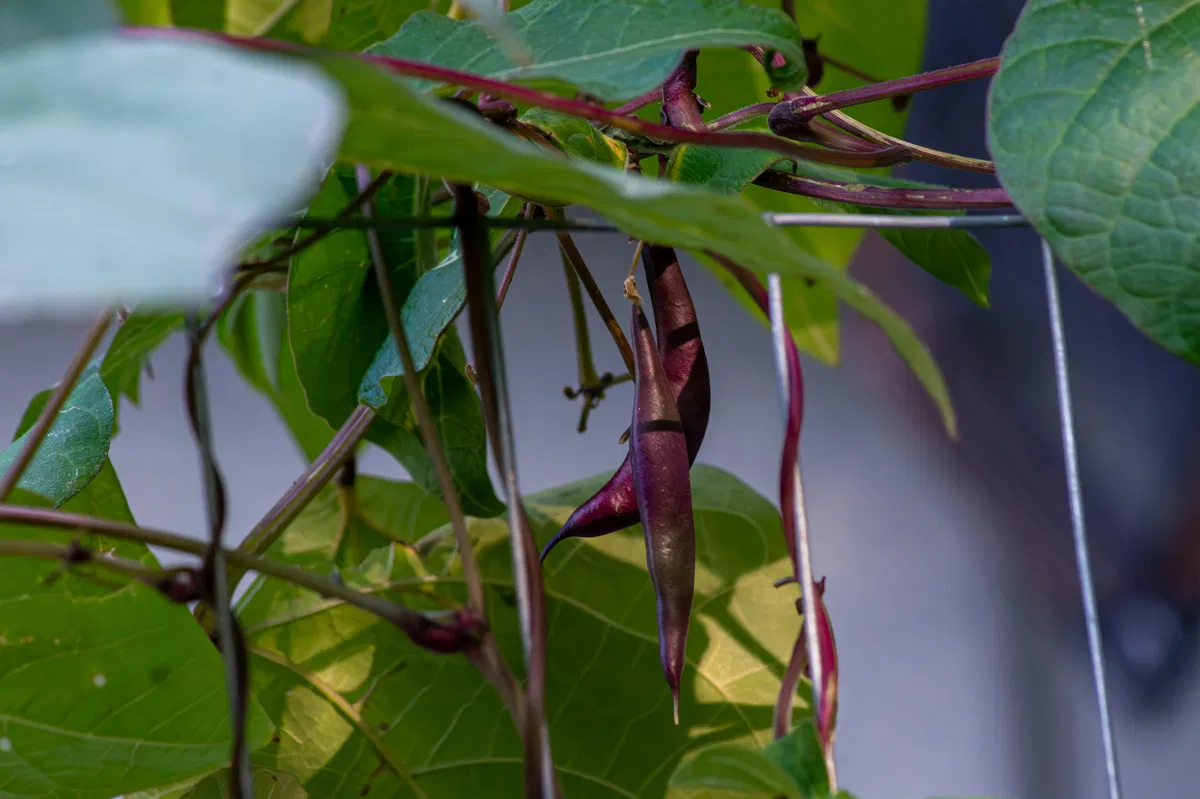
Yardlong beans are climbing vines. They require a trellis and grow upward, producing long pods over a longer period.
They are better when you want:
- continuous harvest
- vertical use of space
- a more traditional bean for Indian cooking
When to Plant
Beans require warm soil. Cold soil leads to poor germination and weak plants.
In most climates:
- Sow after the last frost
- Wait until the soil has warmed
In warmer regions:
- Plant from mid-spring through summer
- Continue succession planting for ongoing harvest
In cooler regions:
- Delay planting until temperatures are consistently warm
Watch soil temperature more than the calendar.
How to Plant
Beans are best direct sown. They do not transplant well.
- Plant 1 to 1½ inches deep
- Water after sowing and keep soil lightly moist until germination
Spacing
Bush beans
- 3–4 inches apart
- Can be planted in rows or blocks
Yardlong beans
- 6–8 inches apart along a trellis
- Give each plant space to climb
Support
This is the main difference between the two types.
Bush beans
- No support needed
Yardlong beans
- Require a trellis or vertical support
- 6–7 feet minimum height works well
- Vertical growth improves pod quality and keeps harvest clean
Soil and Water
Beans prefer moderate conditions.
- Well-drained soil
- Moderate fertility
- Avoid heavy nitrogen feeding
Too much nitrogen produces leaves instead of pods.
Water consistently, especially during flowering and pod development. Avoid letting plants dry out completely.
Harvest
The key with beans is frequency.
Harvest pods when they are:
- young
- tender
- before seeds fully develop
Regular harvesting encourages more production.
Timing
Bush beans
- ~50–60 days
- Produce heavily over a short window
Yardlong beans
- ~60–75 days
- Produce continuously with regular picking
Common Problems
Beans are usually straightforward, but when something goes wrong, it’s almost always tied to timing, temperature, or harvest habits.
If seeds don’t come up well, the soil is usually too cold. Beans need warmth to germinate. Planting too early often leads to patchy or failed emergence.
If plants look healthy but aren’t producing pods, the issue is often too much nitrogen. Rich soil or heavy feeding pushes leaf growth instead of flowers and beans.
If flowers appear but drop without forming pods, heat stress or uneven watering is usually the cause. Beans prefer steady moisture, especially once they begin flowering.
If the beans themselves turn tough or stringy, they were left on the plant too long. Regular picking keeps both the texture and the plant’s productivity where you want them.
How Much to Plant
This is where most gardens go wrong.
Bush beans
- Plant small amounts
- Re-sow every few weeks for steady supply
Yardlong beans
- Fewer plants needed
- Each plant produces over a longer period
Start small. It is easier to plant more than to keep up with too much harvest.
In the Kitchen
Beans are one of the easiest vegetables to use regularly.
They work in:
- simple sabzi
- quick stir-fries
- additions to dal
Bush beans give you a fast, concentrated harvest. Yardlong beans extend the season and add variety.
Both earn their place by being easy to cook without planning.
Closing Notes
Beans reward attention to timing more than anything else. Plant into warm soil, harvest early and often, and keep the plants moving.
If you get that right, they become one of the most reliable crops in the garden.

About the author
Steve Thomas-Patelis a California home gardener who grows Indian kitchen crops for his family in a backyard test garden. He writes about his gardening experiments at MySoCalGarden and for Masala Central's Grower's Corner.