Grower’s Corner
Growing Ayurvedic Herbs in the Home Garden
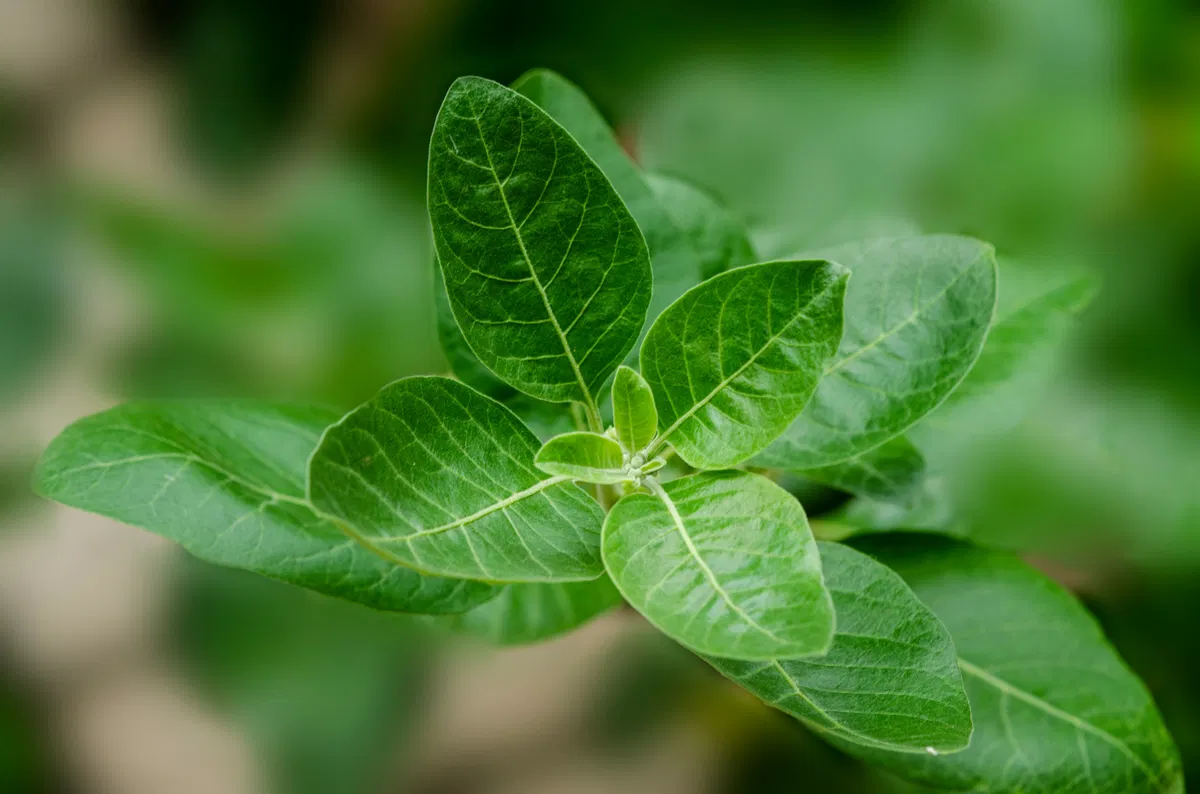
Some plants are grown for flavor.
Some are grown for yield.
Some are grown because you want them within reach.
Ashwagandha. Eclipta. Tulsi.
These are not decorative herbs. They are plants with long histories of use in traditional Indian medicine. Growing them is not about trend or novelty. It is about access. It is about knowing where your plants came from and how they were grown.
In my experience, these herbs are straightforward if you respect their climate needs and growth habits. They are not fragile. They are not mystical. They are plants. If you grow them properly, they thrive.
Start With the Right Expectations
Ayurvedic herbs are often described in poetic language. In the garden, they respond to the same fundamentals as any other plant.
They need:
- Proper warmth
- Good drainage
- Sunlight
- Space
- Patience
If you provide those things, they do the rest.
Ashwagandha
Withania somnifera
Ashwagandha is a warm season plant. It behaves more like a pepper or tomato than like a tender herb.
From Seed
- Sow seeds about ¼ inch deep
- Warm soil speeds germination
- Ideal range is 70 to 85°F
- Germination typically occurs in 7 to 14 days
Ashwagandha does not need elaborate treatment. Fresh seed and steady warmth are enough.
Growing Conditions
- Full sun
- Well drained soil
- Moderate fertility
Overly rich soil produces lush growth but weaker roots. Since the root is the primary harvest, avoid heavy nitrogen feeding.
Water consistently while young. Once established, ashwagandha tolerates some dryness.
Harvest
Roots are typically harvested several months after planting, once the plant matures and foliage begins to decline.
This is a crop that rewards patience.
Eclipta
Eclipta alba (Bhringraj)
4
Eclipta grows differently from ashwagandha. It behaves more like a leafy herb.
From Seed
- Sow shallowly. Press seeds into soil rather than burying deeply
- Keep evenly moist
- Warm temperatures improve germination
It appreciates warmth but tolerates more moisture than ashwagandha.
Growing Conditions
- Full sun to partial sun
- Moist but well drained soil
- Regular harvesting encourages bushier growth
Unlike ashwagandha, eclipta is grown for its leaves and aerial parts. It can be harvested repeatedly through the season.
Holy Basil (Tulsi)
4
Tulsi deserves mention here. While often grown as a culinary herb, it is deeply associated with traditional use.
From seed, tulsi is simple:
- Surface sow or barely cover
- Warm temperatures
- Steady light
- Do not overwater seedlings
Once established, regular pinching creates a fuller plant. Harvesting encourages branching.
Tulsi prefers warmth and does not tolerate frost.
Other Relevant Herbs From the Indian Garden
Several other plants in a traditional Indian kitchen garden have long medicinal associations, even if they are primarily culinary.
- Methi (Fenugreek) grows quickly and is easy from seed. Sow directly and harvest leaves young.
- Moringa prefers heat and excellent drainage. It grows quickly in warm climates.
- Black Cumin (Kalonji) prefers cooler growing conditions and well drained soil.
- Fennel (Saunf) grows best when direct sown and given space.
Not every plant needs to be labeled medicinal to have value. Many culinary herbs overlap with traditional use.
Climate Considerations
Most classic Ayurvedic herbs prefer warmth.
If you garden in a warm climate, you can sow directly once soil warms.
In cooler regions, start indoors or wait for stable temperatures. These are not cold weather herbs.
Frost will damage or kill them. Plan accordingly.
Soil and Feeding
Resist the urge to overfeed.
Many medicinal herbs develop best in moderately fertile soil rather than heavily fertilized beds. Excess nitrogen can produce lush top growth at the expense of the plant parts you intend to harvest.
Focus on:
- Compost before planting
- Balanced fertility
- Consistent watering
- Good drainage
Why Grow These Yourself
Access matters.
Quality matters.
When you grow ashwagandha or eclipta yourself, you control how they were raised. You know the soil. You know the inputs. You know the harvest time.
These are not difficult plants. They require warmth, patience, and straightforward care.
If you can grow tomatoes or peppers, you can grow these.
And having them in your garden connects traditional knowledge with practical cultivation.

About the author
Steve Thomas-Patelis a California home gardener who grows Indian kitchen crops for his family in a backyard test garden. He writes about his gardening experiments at MySoCalGarden and for Masala Central's Grower's Corner.