Grower’s Corner
Growing Alpine Strawberries in the Kitchen Garden
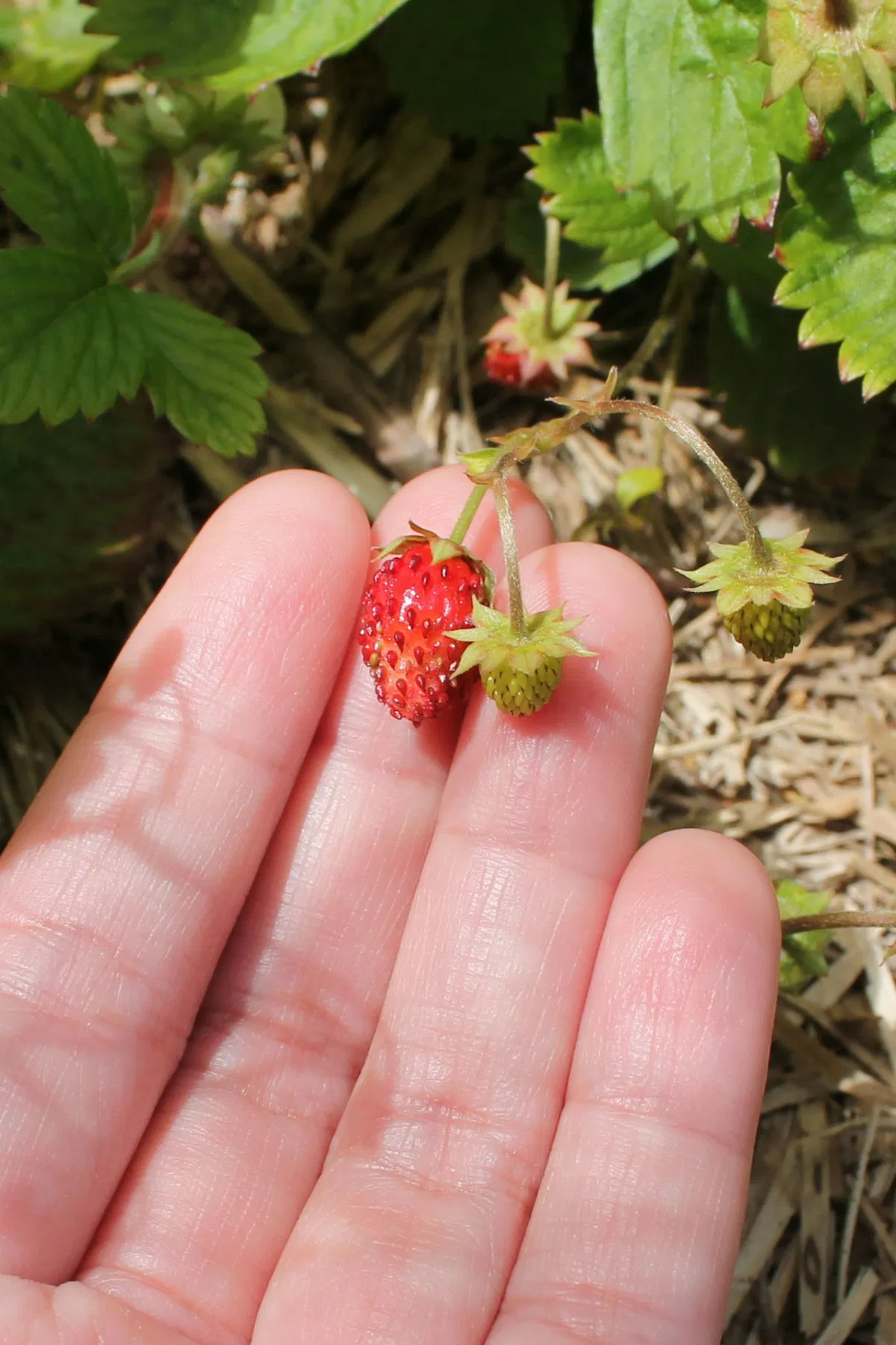
Strawberries are one of the most satisfying fruits to grow at home. Picked straight from the plant, they’re fragrant, sweet, and completely different from the large but often bland berries found in supermarkets.
While most gardeners know the big garden strawberries sold in nurseries, many are surprised to discover alpine strawberries — smaller plants that produce intensely flavored fruit over a long season.
One of the most beloved varieties is Mignonette, a compact alpine strawberry that produces small, deep-red berries with exceptional sweetness. The flavor is rich and aromatic, often reminding gardeners of the small strawberries grown in cooler hill regions, like the famous berries of Mahabaleshwar in India.
What Makes Alpine Strawberries Different
Most commercial strawberries are garden strawberries (Fragaria × ananassa), bred for large fruit and heavy harvests.
Alpine strawberries (Fragaria vesca) are different. They grow as tidy clumps rather than spreading aggressively through runners, and they produce smaller berries with concentrated flavor.
For home gardeners, this has several advantages:
• plants stay compact
• they work well in containers
• they don’t spread across the whole bed
• berries are often more fragrant and sweet
Instead of one large harvest, alpine strawberries produce steady handfuls of berries over many weeks, perfect for snacking straight from the garden.
Why Mignonette Is Special
Mignonette has been grown in European kitchen gardens for generations and is widely considered one of the best alpine strawberry varieties for flavor.
This variety stands out because it is:
• compact and runnerless
• easy to grow in small spaces
• highly aromatic and sweet
• productive over a long season
The plants form neat clumps that work beautifully in containers, raised beds, and small kitchen gardens.
Growing Strawberries in California Gardens
Strawberries thrive in California’s mild climate and are especially rewarding in home gardens.
For alpine strawberries like Mignonette:
Sun
Full sun to partial sun.
Soil
Rich, well-drained soil with organic matter.
Water
Consistent moisture helps berries develop full sweetness.
Spacing
About 8–10 inches between plants.
Because alpine strawberries remain compact, they’re ideal for patio containers, balcony gardens, and raised beds.
Starting Alpine Strawberries from Seed
Alpine strawberries are commonly grown from seed rather than from nursery plants.
The seeds are tiny and require light to germinate.
To start them:
- Fill trays or small pots with fine seed-starting mix.
- Scatter seeds on the surface.
- Press them gently into the soil but do not bury them.
- Keep soil evenly moist and provide bright light.
Seeds typically germinate in 2–4 weeks.
Once seedlings develop several leaves, they can be transplanted into containers or garden beds.
Harvesting the Berries
Alpine strawberries begin producing fruit several months after sowing and can continue through warm seasons.
The berries are small but intensely flavorful. Many gardeners harvest them by the handful while walking through the garden.
They’re wonderful:
• eaten fresh
• mixed into yogurt or fruit bowls
• spooned over desserts
• cooked into small-batch jams or syrups
But most never make it into the kitchen — they tend to disappear as soon as they’re picked.
A Strawberry That Fits the Kitchen Garden
Large strawberry plants can take over beds and require frequent replanting. Alpine strawberries offer something different: compact plants, steady harvests, and exceptional flavor.
For gardeners who enjoy growing herbs, greens, and everyday cooking plants, alpine strawberries fit naturally into the kitchen garden.
A few plants can provide months of sweet, fragrant berries — one of the simplest pleasures of growing your own food.

About the author
Steve Thomas-Patelis a California home gardener who grows Indian kitchen crops for his family in a backyard test garden. He writes about his gardening experiments at MySoCalGarden and for Masala Central's Grower's Corner.