Grower’s Corner
Fall–Winter Gardening in California: What to Plant and Why This Season Is the Best
If you garden in California, don’t skip the fall–winter season. A lot of people think winter means shutting down the garden, but honestly, this is when things get easy. Cool weather + natural moisture = plants that mostly take care of themselves.
As someone who grows a ton of Indian herbs and vegetables here in Southern California, I can tell you this is the season where you get the best return for the least work. If you’re new to gardening, or you just want something that fits into a busy schedule, fall and winter are perfect.
Why Fall and Winter Are Great for Gardening
- Less watering: Dew, fog, and light rain keep the soil moist. Some weeks I barely water at all.
- Fewer pests: Caterpillars and beetles slow down. Aphids pop up occasionally, but that’s about it.
- Plants grow steadier: Cool-season crops aren’t stressed by heat, so they produce better flavor and texture.
- Easy maintenance: Sow the seeds, walk away, come back later to harvest.
If you want a “low-effort, high-reward” garden, this is it.
What to Plant in Fall and Winter (Especially for Indian Home Cooking)
These are the crops that do best for me in the Monrovia/LA area, but the advice works for most of California’s mild-winter zones.
Cilantro (Dhaniya)
Cilantro absolutely loves the cool season. It grows fuller, lasts longer, and doesn’t bolt like it does in summer.
Why I grow it:
- We use cilantro constantly: chutneys, raitas, curries, garnishes.
- Store-bought cilantro wilts fast and keeps getting more expensive.
- Every year I get “volunteers” from dropped seeds—it literally plants itself.
How to grow:
Sprinkle seeds thickly, cover lightly, and keep damp for the first few days. After that, it mostly handles itself.
Peas (Mattar + Snap Peas)
Peas are one of the easiest cool-season crops. Whether you grow shelling peas or snap peas, they love California winters.

Why I grow it:
- The vines look great in the garden.
- Snap peas are a perfect “walk-by snack.”
- Kids love picking them. (Makes gardening way easier.)
How to grow:
Give them something to climb. Sow seeds directly—don’t bother with seedlings.
Radishes (Mooli + French Breakfast)
Radish is the speed-run vegetable of winter gardening. Seed to harvest in 25–35 days.
Why I grow it:
- You get a harvest fast, which keeps motivation high.
- Mooli is amazing as a cover crop—its big taproot breaks up the soil for spring.
How to grow:
Sow thickly. Keep soil moist early on. Thin later if you want bigger roots.
Leafy Greens (Palak, Sarson, Arugula, Lettuce, Kale)

Winter is the season for greens. Pretty much all of them do well.
Why I grow them:
- Constant harvest—just pick the outer leaves and they keep growing.
- Indian cooking uses greens constantly: palak, methi mixes, sarson ka saag, raita greens, and more.
How to grow:
Direct sow or transplant seedlings. Keep slug/snail bait nearby after rains.
Mint (Pudina)
Mint doesn’t grow well from seed, but if you already have a plant, winter is when it explodes with new growth.
Why I grow it:
- It stays lush through winter.
- It’s easy to harvest whenever I need a handful.
- Summer sun can burn mint, but winter? Perfect.
How to grow:
Keep it in a container unless you want mint everywhere.
Fenugreek (Methi), Dill (Suva), Fennel (Saunf)
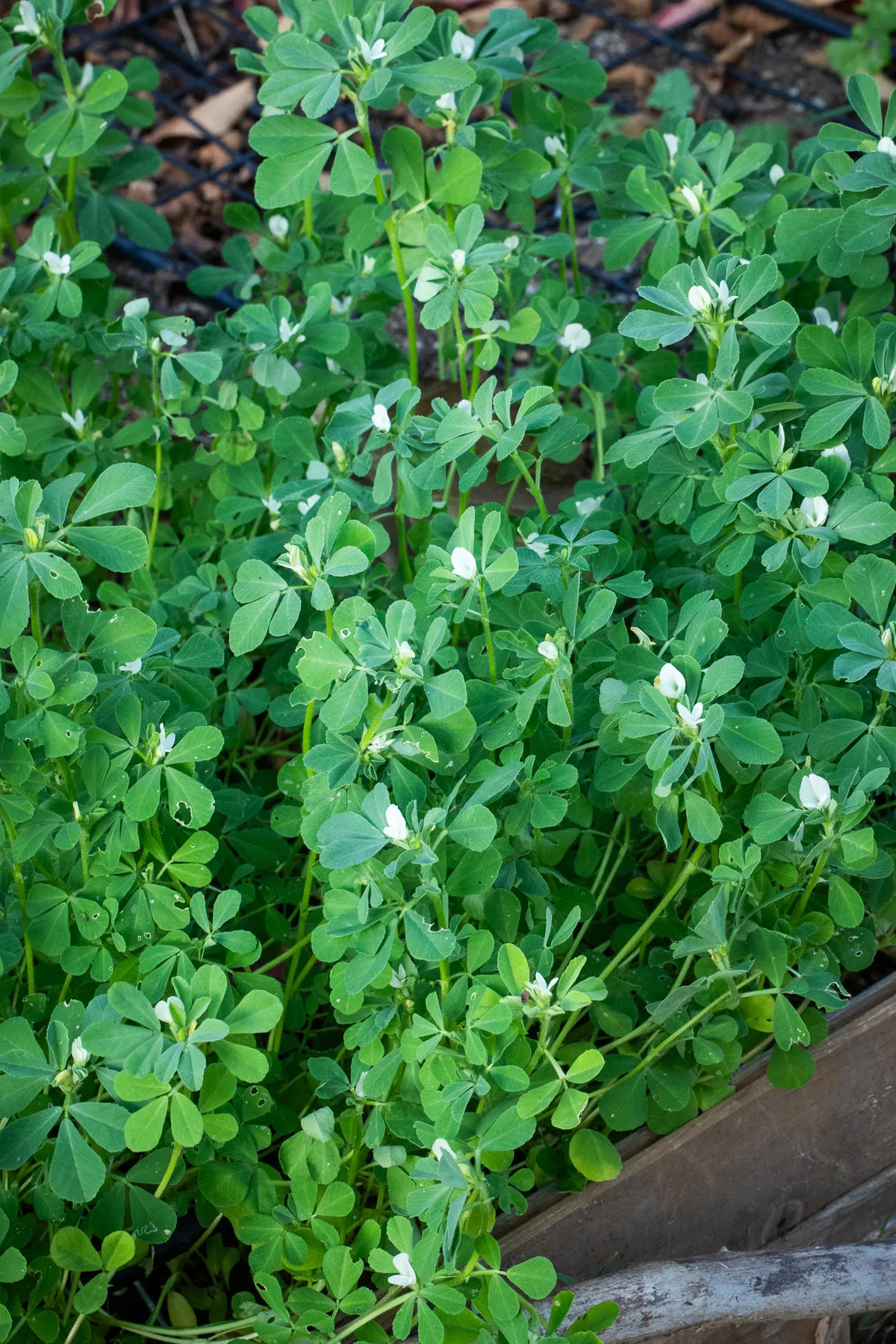
These herbs love our Mediterranean climate in winter.
Why I grow them:
- Methi is stupidly easy: sprinkle seeds, water, done.
- Dill and fennel get fragrant and tender in cooler weather.
- Perfect for Indian dishes: methi thepla, suva bhaji, fennel fronds for fish or chai mixes.
How to grow:
Direct sow. Don’t transplant—roots don’t like it.
Basic Fall–Winter Gardening Tips (Simple, No-Nonsense)
- Sow directly: Most cool-season crops prefer being planted straight in the soil.
- Mulch if you can: Even a light layer helps keep moisture in.
- Water less often: Once established, once-a-week is often enough.
- Watch for slugs after rain: They love young seedlings.
- Plant more than you think you need: Winter beds look empty early on, but they fill out fast.
Final Thoughts
If you’re gardening in California, winter is not a break—it’s honestly the most forgiving, productive time of the year. You get steady growth, reliable harvests, and way less work compared to summer.
If you’re into Indian cooking or you want easy success as a beginner, start with cilantro, peas, radish, and methi. You can’t go wrong.

About the author
Steve Thomas-Patelis a California home gardener who grows Indian kitchen crops for his family in a backyard test garden. He writes about his gardening experiments at MySoCalGarden and for Masala Central's Grower's Corner.