Grower’s Corner
Cool-Season Gardening: Peas, Greens, and Early Season Crops for the Kitchen Garden
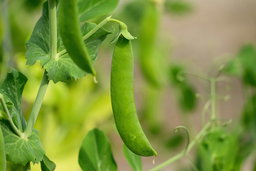
Peas, saag greens, and many early vegetables mark the beginning of the growing year in a practical kitchen garden. These are the crops that thrive when mornings are cool, soil holds gentle moisture, and the sun feels soft rather than intense. In many Indian and diaspora gardens, this season brings tender sabzi greens, fresh pods for quick cooking, and the first harvests after winter.
This guide walks through how to grow peas and other cool-season crops from seed, what to expect during early growth, and how to build a planting rhythm that fits real cooking habits rather than strict calendar rules.
Starting from Seed
Cool-season crops tend to be direct-sown rather than transplanted. Many dislike root disturbance and establish faster when planted directly where they will grow.
Use loose, well-draining soil with organic matter. Heavy soil stays cold longer and slows germination. Raised beds or lightly amended garden soil work well.
Pea seeds are large and easy to handle. Plant them about one inch deep and space them so air can move between vines. Smaller greens such as mustard, spinach, or amaranth relatives can be sown closer to the surface and thinned as they grow.
Water deeply after sowing, then allow the surface to dry slightly before watering again. Cool-season crops prefer steady moisture but not constant saturation.
When to sow
Cool-season crops respond more to temperature than to the calendar. In Southern California and similar climates, late winter through early spring and again in fall are ideal windows.
Peas, spinach, mustard greens, fenugreek, and cilantro germinate well when soil is cool. Warm nights slow their growth and may cause bolting.
Rather than chasing specific dates, pay attention to daytime warmth paired with cool evenings. If afternoons feel mild and nights remain comfortable without heat stress, most cool-season seeds will establish easily.
What to expect as seedlings grow
Early growth may appear slow compared to warm-season vegetables. Peas begin by focusing on roots and tendrils before climbing. Spinach forms low rosettes that hug the soil. Mustard greens often grow quickly once established.
Avoid comparing growth rates between crops. Fenugreek may be ready to harvest while peas are still climbing and spinach is just filling out.
Support structures help peas early. Even a small trellis or netting gives tendrils something to grab and keeps plants upright as they mature.
Cool-season crop profiles for the kitchen garden
Peas
Peas bring sweetness and freshness to early cooking. Harvest pods young for sabzi, pulao, or quick sautés. They prefer cooler weather and may slow down once temperatures rise. Provide light support and consistent watering for steady production.
Spinach
Spinach thrives in cool conditions and rewards frequent harvesting. Leaves work well for saag, dal, or simple stir-fries. Direct sow and thin gradually to allow plants room to expand.
Mustard Greens
Mustard grows quickly and adds bold flavor to mixed greens dishes. It tolerates mild cold and produces heavily before heat arrives. Harvest outer leaves regularly to extend the season.
Fenugreek, Methi
Fenugreek germinates fast and can be harvested young. Sow thickly for greens or space plants wider if allowing them to mature. Ideal for beginners looking for quick results.
Cilantro, Dhaniya
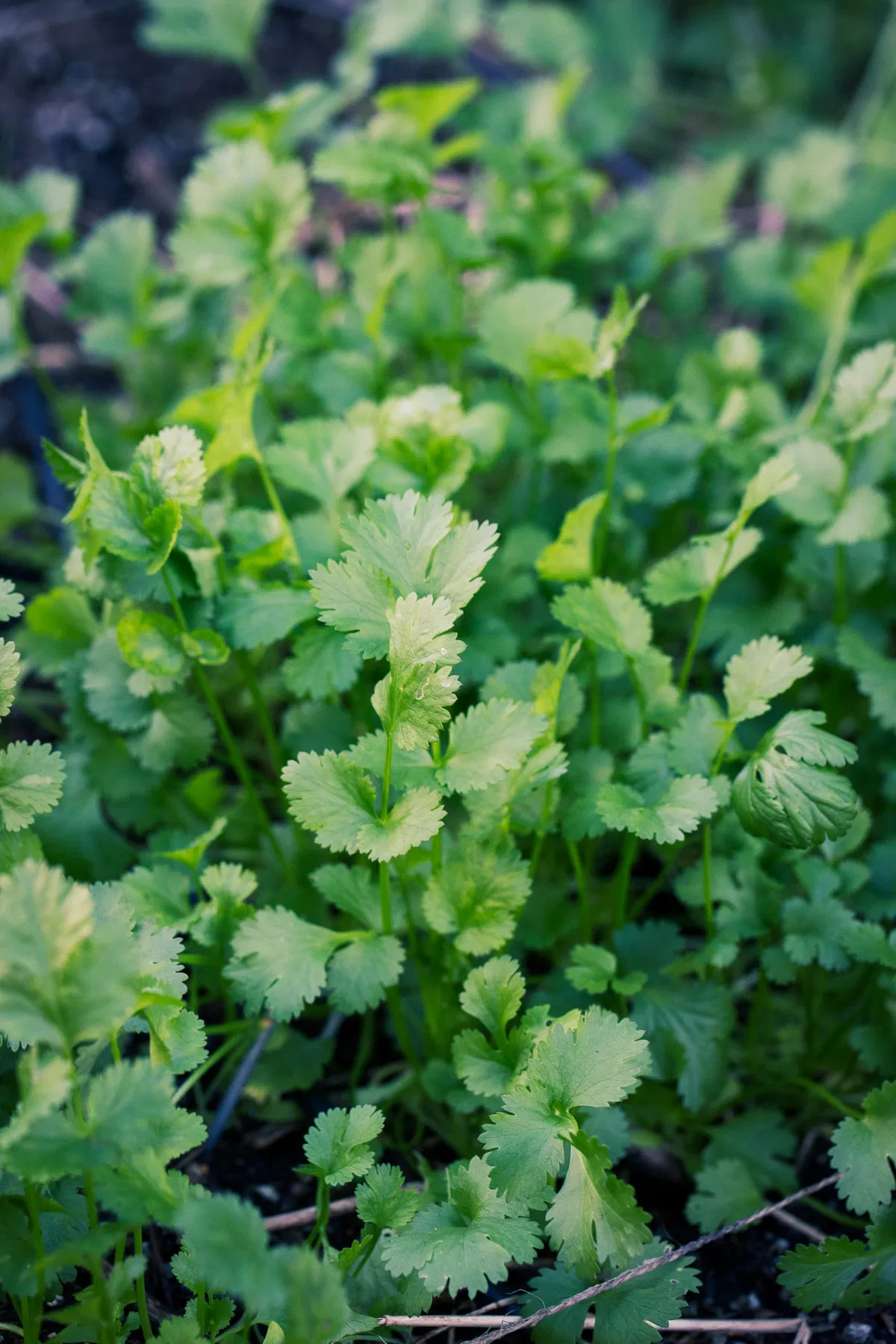
Cilantro prefers cooler temperatures and bolts quickly in heat. Direct sow in succession for continuous harvests. Use young leaves generously in chutneys and finishing dishes.
Saag Amaranths and Tender Greens
Some greens can bridge cool and warm seasons depending on variety. Sow lightly and harvest young for tender leaves used in sautéed dishes or mixed saag preparations.
Chicories and Catalogna
Catalogna and other chicories thrive in cool weather and develop their best flavor when nights are mild to cold. Leaves can be harvested young for salads or allowed to mature for sautéed dishes. Bitterness increases with heat, so plant in fall or late winter for best results. Cut outer leaves regularly to encourage continued growth.
Building a working cool-season bed
Cool-season crops grow well together because they share similar needs. A simple planting might combine peas along the back of a bed with spinach, methi, and cilantro filling the space below.
Think about how you cook. If peas appear often in pulao or sabzi, plant several rows. If leafy greens are part of weekly meals, stagger plantings every few weeks for steady harvests.
Dense planting is acceptable early in the season because sunlight is gentler and plants grow upright rather than sprawling.
Common beginner mistakes
Planting too late is one of the most common issues. When temperatures rise quickly, cool-season crops rush to flower instead of producing leaves or pods.
Overwatering is another frequent problem. Cool soil holds moisture longer, so allow the surface to dry slightly between waterings.
Finally, avoid overfeeding. Cool-season crops prefer balanced soil rather than heavy fertilizer. Too much nitrogen can lead to soft growth that struggles once temperatures change.
Closing thoughts
Cool-season gardening sets the tone for the rest of the year. Peas climbing a small trellis, methi filling a shallow tray, and spinach forming dense clusters all create early momentum in the kitchen garden.
Focus on the crops you reach for most often. Sow directly, give seedlings gentle light and steady moisture, and let the cooler months become a time of quiet, reliable harvests that support everyday cooking.

About the author
Steve Thomas-Patelis a California home gardener who grows Indian kitchen crops for his family in a backyard test garden. He writes about his gardening experiments at MySoCalGarden and for Masala Central's Grower's Corner.