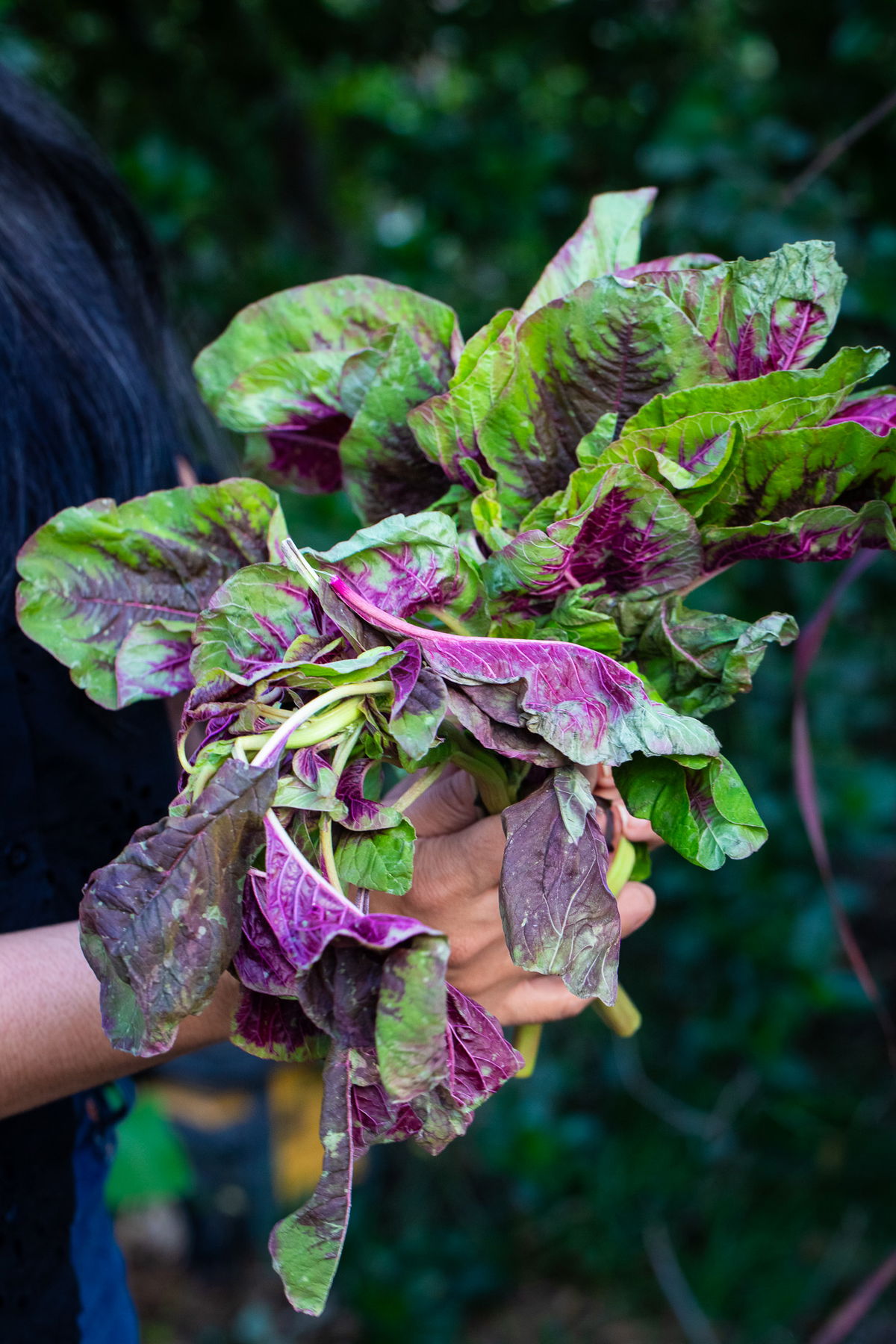
Rajgira, Amaranth (Red Leaf, Hu Hsien)
Ships in 1–3 business days.
Details
Rajgira, also known as amaranth, is one of India’s oldest cultivated greens, treasured both as a nutritious leafy vegetable and a sacred fasting grain. The Hu Hsien Red Leaf variety produces tender, jewel-toned leaves with vibrant crimson centers and green edges. Its mild, spinach-like flavor and quick growth make it a perfect warm-season substitute for greens that struggle in summer heat.
While many know rajgira for its grain (amaranth seed used in ladoos and fasting dishes), the leaves themselves are equally beloved, cooked in dals, stir-fries, or simply steamed with garlic and spices.
Why Indian Gardeners in California Should Grow It
Rajgira connects directly to Indian food traditions and grows effortlessly in California’s Mediterranean climate. It thrives when spinach, methi, and other cool-season greens fade, providing lush harvests of tender leaves all summer long.
-
Culturally rooted: A staple in Gujarati, Marathi, and South-Indian cooking — known as chaulai, thotakura, or harive soppu.
-
Heat-tolerant: Grows vigorously through California’s warm, dry months when other greens bolt.
-
Highly nutritious: Packed with iron, calcium, and protein; both leaves and grains are edible.
-
Visually stunning: Red-green foliage adds color to beds and containers.
-
Quick and productive: Ready to harvest in just 30–45 days; continuous cutting encourages regrowth.
Growing Information
Rajgira is a warm-season crop that loves full sun and well-drained soil. Sow after the danger of frost has passed, once soil temperatures reach 65 °F (18 °C) or warmer — typically March to August in most of California.
Sow seeds ¼ inch (6 mm) deep, either directly in the garden or in trays for careful transplanting. Keep soil lightly moist until germination, which usually occurs in 5–10 days. Thin seedlings to 8–12 inches apart for leafy growth, or wider if you plan to let plants mature for seed harvest.
Water regularly but avoid overwatering; rajgira tolerates dry conditions once established. It flourishes in the same beds where you might rotate warm-season vegetables like okra, peppers, or gourds.
For the best leaf quality, harvest young, before flowering. Regular picking keeps plants compact and productive.
Harvest & Use
Harvest tender leaves and young stems when plants reach about 8–10 inches tall. Use them just like spinach or methi — sautéed with garlic and chilies, mixed into dals, or steamed with coconut and spices. The leaves hold their color beautifully when lightly cooked.
If you let some plants mature, the flower heads will produce tiny, edible amaranth grains — a high-protein, gluten-free seed used in rajgira ladoos and fasting dishes (vrat ka khana).
Quick Facts
-
Botanical name: Amaranthus tricolor
-
Variety: Hu Hsien Red Leaf
-
Type: Warm-season leafy vegetable
-
Sun: Full sun (6–8 hours daily)
-
Days to germination: 5–10
-
Days to harvest: 30–45 (leaf)
-
Sowing depth: ¼ inch (6 mm)
-
Spacing: 8–12 inches apart
-
Best season (California): Spring – Summer (Mar – Aug)